Chrysanthemum Stone, celebrated for its distinctive flower-like patterns, originates from Hunan Province, China, and symbolizes balance, harmony, and wealth in Chinese culture. Its healing properties encompass emotional support, shielding against negativity, and facilitating physical recovery, particularly in wound healing and detoxification. This crystal activates the Earth Star, Root, Crown, and Soul Star Chakras, promoting stability and spiritual growth. It resonates with the zodiac signs Aquarius and Taurus, offering tailored emotional benefits. Understanding its historical significance and various cleansing methods provides deeper insights into its full potential and healing attributes. Explore further to uncover its multifaceted applications.
Key Takeaways
- Chrysanthemum Stone symbolizes balance, harmony, and wealth, reflecting its cultural significance in Chinese traditions.
- It offers emotional healing by reducing anxiety and protecting against negative energies.
- The stone activates multiple chakras, enhancing spiritual growth and meditation focus.
- Associated with Aquarius and Taurus, it provides tailored emotional support for these zodiac signs.
Crystal Overview and Meaning
Chrysanthemum Stone, characterized by its distinctive flower-like patterns created by mineral streaks, embodies a rich tapestry of meaning and significance rooted in both geological formation and cultural symbolism. This unique crystal, primarily composed of minerals such as Calcite and Andalusite, originated from the Hunan Province of China and has been formed over millions of years from organic-rich sediment at the sea bottom.
The visual appeal of Chrysanthemum Stone transcends mere aesthetics; it serves as a profound symbol of balance and harmony. In various cultural contexts, particularly within Chinese tradition, this stone signifies wealth and honor, often associated with the Imperial family. Its deep historical roots enhance its value, making it a powerful talisman for those on spiritual journeys.
Chrysanthemum Stone is closely linked to the Root and Crown Chakras, facilitating a connection between the physical and spiritual domains. By aligning these energy centers, the stone promotes stability and emotional creativity, encouraging users to explore their inner thoughts and feelings. This exploration is essential for spiritual growth, as it allows individuals to confront and harmonize their emotional states.
Utilizing Chrysanthemum Stone can lead to greater self-awareness and a deepened connection to nature, fostering an environment conducive to balance and harmony. Overall, the healing properties of Chrysanthemum Stone offer a pathway for individuals seeking to enhance their emotional and spiritual well-being in a safe and meaningful manner.
Healing and Protective Properties
Chrysanthemum Stone is renowned for its multifaceted healing and protective properties, serving as both a shield against negative energies and a catalyst for emotional healing. By engaging with the Earth Star and Root Chakras, this crystal enhances therapeutic energy and stability, allowing individuals to navigate personal challenges with greater resilience. Understanding how to harness and purify its energy through methods such as sunlight exposure can further amplify its beneficial effects.
Mum Stone
Renowned for its healing and protective attributes, Mum Stone serves as a powerful ally in shielding individuals from negative energies and psychic attacks while simultaneously purifying the aura. This remarkable Chrysanthemum Stone not only enhances emotional healing by alleviating anxiety and depression but also restores emotional balance, fostering empathy in relationships. Its multifaceted benefits extend to physical healing, aiding in wound recovery, digestive health, and the detoxification of the liver and kidneys.
Furthermore, Mum Stone engages multiple chakras—including the Earth Star, Root, Crown, and Soul Star Chakras—promoting spiritual growth and a deeper connection to universal energy. This connection is particularly beneficial during meditation practices, where the stone enhances focus and calms the mind, enabling practitioners to achieve deeper spiritual insights.
| Healing Properties | Benefits |
|---|---|
| Emotional Healing | Reduces anxiety and enhances empathy |
| Physical Healing | Supports recovery and detoxification |
| Chakra Alignment | Engages multiple chakras for growth |
| Meditation Aid | Enhances focus and spiritual insights |
Therapeutic Energy Enhancement
The therapeutic energy enhancement provided by Chrysanthemum Stone is largely attributed to its grounding properties, which stabilize both emotional and physical energies, thereby fostering a sense of security and balance in times of stress or upheaval. This stone is particularly beneficial for those seeking emotional healing, as it effectively reduces anxiety and promotes calmness.
Chrysanthemum Stone serves numerous therapeutic functions, including:
- Emotional Stability: It aids in managing stress and alleviating feelings of depression, fostering a balanced emotional state.
- Protective Qualities: The stone is believed to shield individuals from negative energies and psychic attacks, purifying the aura and enhancing overall well-being.
- Support for Spiritual Growth: By engaging both the Root and Crown Chakras, it facilitates a harmonious flow of energy, promoting spiritual connection and awareness.
- Inner Strength: Regular use of Chrysanthemum Stone enhances resilience, empowering individuals to embrace personal transformation and positive change.
Ways to Harness Energy
Harnessing the energy of Chrysanthemum Stone involves various practices that capitalize on its grounding and protective attributes, facilitating emotional stability while promoting healing and resilience in the face of stress. This stone is particularly effective in activating the Root and Sacral Chakras, which helps promote balance between physical and spiritual energies, vital for emotional healing and personal transformation.
Incorporating Chrysanthemum Stone into meditation practices can greatly enhance focus and mindfulness, fostering a deeper connection with universal energies that support spiritual growth. By holding or placing the stone nearby during meditation, individuals can experience its calming effects, which may reduce anxiety and promote restful sleep, thereby contributing to improved mental health and emotional well-being.
Additionally, regular cleansing methods, such as smudging or exposure to moonlight, are essential to maintaining the stone's energetic clarity. These methods guarantee that the Chrysanthemum Stone continues to provide its healing and protective benefits, allowing users to fully harness its potential. By integrating these practices into daily routines, individuals can cultivate a safe and supportive environment for their emotional and spiritual journeys, ultimately enhancing their overall quality of life.
How to Purify With Sunlight
Purifying Chrysanthemum Stone with sunlight is an effective method to rejuvenate its energy and enhance its healing properties, facilitating a deeper connection to its protective attributes. This process involves placing the stone in natural sunlight for less than three hours, allowing it to absorb the energizing rays. Such exposure is vital for cleansing the stone of accumulated negative energy, consequently restoring its vibrant appearance and potent healing properties.
To guarantee ideal results, it is important to place the stone in a safe location, shielded from potential damage or loss while it absorbs sunlight. Regular cleansing every 2-4 weeks is recommended to maintain the Chrysanthemum Stone's energetic clarity and effectiveness. However, one must exercise caution; while sunlight is beneficial, prolonged exposure should be avoided to prevent any fading or alteration in the stone's appearance.
Ideal Companions for Energy Amplification
Chrysanthemum Stone serves as a powerful catalyst for energy amplification when paired with specific crystals, each enhancing its unique properties and promoting holistic well-being. One notable companion is Moldavite, known for its ability to facilitate spiritual growth and awakening during meditation practices. The combination of these two stones can create a profound transformative experience, making it ideal for those seeking deeper personal insights.
Seraphinite, another excellent pairing, champions heart healing and fosters emotional connections. This synergy amplifies love and compassion, making it particularly beneficial for individuals looking to mend emotional wounds or cultivate deeper relationships. The result is a powerful enhancement of emotional well-being, which is essential for effective healing practices.
For those seeking to boost creativity, the combination of Chrysanthemum Stone with Carnelian is highly recommended. This pairing not only inspires action toward personal goals but also instills motivation, making it a valuable tool for artists or anyone engaged in creative endeavors.
Additionally, Crazy Lace Agate complements Chrysanthemum Stone by fostering joy and positivity, thereby enhancing emotional balance during healing practices. Finally, harmonizing Chrysanthemum Stone with Lithium Quartz can amplify its calming effects, reducing stress and encouraging emotional stability. Together, these combinations provide a holistic approach to energy amplification, allowing individuals to navigate life's challenges with resilience and creativity.
Zodiac Affinities of Chrysanthemum Stone
Chrysanthemum Stone exhibits distinct affinities with the zodiac signs of Aquarius and Taurus, offering tailored support for the emotional and mental hurdles faced by individuals born under these signs. Its grounding properties resonate particularly well with Taurus, an earth sign, while its ability to enhance awareness and foster personal growth aligns seamlessly with the idealistic nature of Aquarius. Additionally, the stone's connection to both earth and water elements further enriches its capacity to promote balance and emotional clarity among those it influences.
Zodiac Signs Benefiting From Chrysanthemum
Benefiting from the unique properties of Chrysanthemum Stone, individuals born under the zodiac signs of Aquarius and Taurus can experience enhanced emotional stability and resilience in their personal growth journeys. For Aquarians, this stone serves as a potent ally in mitigating feelings of excessive loneliness, while also fostering a deeper awareness of their idealistic tendencies. Such insights can lead to a stronger connection with their inner selves, ultimately promoting emotional balance.
In contrast, Taurus individuals can harness the benefits of Chrysanthemum Stone to gain increased awareness of their inherent stubbornness and materialistic inclinations. This awareness encourages a more open attitude towards change, facilitating personal growth. The grounding energy of Chrysanthemum Stone is particularly supportive for both signs, aiding in the development of emotional resilience that is essential for maneuvering life's challenges.
Moreover, Chrysanthemum Stone harmonizes effectively with the energies of other crystals, enhancing the overall efficacy of various healing practices. By integrating this stone into their routines, both Aquarians and Taureans can cultivate a sense of safety and stability, fortifying their emotional well-being and personal development.
Associated Zodiac Birthstone
The association of Chrysanthemum Stone with the zodiac signs of Aquarius and Taurus reveals its significant role as a birthstone for individuals seeking to enhance their emotional well-being and personal growth. For Aquarians, this stone serves as a stabilizing force, helping to alleviate feelings of loneliness while promoting self-awareness. This is particularly valuable for those prone to idealistic tendencies, as it fosters a sense of emotional balance.
Conversely, Taurus individuals benefit from Chrysanthemum Stone by gaining insights into their inherent stubbornness and tendencies toward materialism. This clarity encourages personal growth and adaptability, allowing them to embrace change more readily. The grounding properties of Chrysanthemum Stone resonate deeply with both zodiac signs, fostering a profound connection to their inner selves and the present moment.
Additionally, Chrysanthemum Stone is believed to align with energies of creativity and abundance, making it an essential tool for manifesting desires. By enhancing emotional stability, it supports the creative processes of Aquarians while also nurturing the practical ambitions of Taurus individuals. Consequently, Chrysanthemum Stone not only serves as a birthstone but also as a catalyst for holistic development and fulfillment.
Earth and Water Elements
How does the interplay between the Earth and Water elements in Chrysanthemum Stone influence the emotional and practical aspects of personal development for individuals aligned with these elemental energies? Chrysanthemum Stone serves as a powerful conduit for grounding and nurturing, making it particularly beneficial for those under the zodiac signs of Taurus and Capricorn (Earth) and Cancer and Scorpio (Water).
The Earth element fosters stability and a sense of belonging, enhancing practical decision-making and reinforcing feelings of security. Individuals connected to this element may find that Chrysanthemum Stone aids them in maneuvering through life's challenges with a firm foundation. In contrast, the Water element encourages emotional healing and adaptability, allowing for a deeper exploration of feelings and creativity.
Together, these elements create a harmonious balance, promoting personal growth by integrating emotional depth with stability. This duality supports individuals in harmonizing their physical and emotional domains, encouraging resilience and fluidity in their life experiences. By utilizing Chrysanthemum Stone, individuals can enhance their inherent traits, leading to a more fulfilling and well-rounded approach to personal development. Consequently, the crystal becomes an essential tool for those seeking to cultivate both emotional and practical growth.
Crystal Facts and History
Chrysanthemum Stone has a rich historical context, with notable uses in ancient Chinese medicinal practices that underscore its cultural significance. Its unique properties garnered the attention of historical figures who valued its aesthetic and purported metaphysical benefits. Understanding these aspects provides insight into the stone's enduring legacy and its multifaceted roles throughout history.
Notable Historical Uses
Historically, Chrysanthemum Stone has been revered not only for its aesthetic appeal but also for its deep cultural significance, particularly within Chinese society, where it symbolizes heritage, wealth, and the enduring nature of love through various legends. Originating from Liuyang in Hunan Province, this unique stone has been associated with the Chinese Imperial Family, serving as an emblem of honor and prosperity throughout history.
The legends surrounding Chrysanthemum Stone often emphasize themes of eternal love, with tales depicting immortal lovers who transformed their devotion into the very stone itself. Beyond its symbolic meanings, Chrysanthemum Stone has been utilized in spiritual practices. Its healing properties have made it a valuable tool in meditation, where it is believed to foster emotional balance and personal insight. Practitioners often employ the stone during sessions to enhance focus and clarity, thereby deepening their meditative experience.
The historical uses of Chrysanthemum Stone extend beyond mere decoration; they encapsulate a rich tapestry of cultural narratives and spiritual practices that continue to resonate within contemporary healing modalities. Consequently, Chrysanthemum Stone remains a significant artifact of Chinese heritage, embodying both beauty and profound meaning.
Ancient Chinese Medicinal Practices
Ancient Chinese medicinal practices have long incorporated gemstones like Chrysanthemum Stone, recognizing their unique properties and potential to enhance emotional and physical well-being. This stone, with its striking flower-like designs, is deeply embedded in Chinese culture, symbolizing wealth and honor. The energy of ancient chrysanthemums is believed to be encapsulated within Chrysanthemum Stone, connecting it to themes of eternal love and knowledge.
In traditional Chinese medicine, Chrysanthemum Stone is valued for its profound healing properties. It is particularly known for promoting emotional healing, effectively reducing anxiety and fostering a sense of calmness. The unique composition of the stone, primarily calcite and celestite, contributes to its multifaceted benefits, supporting both physical ailments and mental clarity.
Moreover, Chrysanthemum Stone plays a significant role in meditation practices, enhancing focus and facilitating spiritual growth. By grounding the user and promoting a balanced state of mind, it aids in achieving deeper meditative states. In this way, the incorporation of Chrysanthemum Stone into ancient Chinese healing traditions exemplifies a holistic approach to well-being, integrating physical, emotional, and spiritual dimensions for extensive health benefits.
Notable Historical Figures' Preferences
The preferences of notable historical figures reveal a significant appreciation for Chrysanthemum Stone, particularly due to its grounding and protective qualities that resonate with the holistic healing practices prevalent in various cultures throughout history. This stone, deeply rooted in Chinese culture, symbolizes wealth and honor, making it a favored choice among those seeking emotional healing and spiritual properties.
| Historical Figure | Preference Reasoning |
|---|---|
| Emperor Qianlong | Valued the stone for its association with prosperity and protection. |
| Confucius | Emphasized grounding qualities for emotional stability in teachings. |
| Empress Dowager Cixi | Used it as a talisman to enhance her spiritual well-being. |
| Sun Yat-sen | Appreciated its cultural significance and emotional resonance. |
The historical significance of Chrysanthemum Stone is reflected in its ties to the Chinese Imperial Family, enhancing its appeal among those in power. The legends surrounding the stone, particularly themes of eternal love, further emphasize its emotional significance. Notable figures recognized its multifaceted benefits, embodying safety and security in a tumultuous world.
Ancient Trade Routes Influence
The ancient trade routes that traversed China and Japan played a pivotal role in the dissemination of Chrysanthemum Stone, influencing its mineral composition and structural characteristics. These pathways facilitated not only the exchange of goods but also the sharing of knowledge regarding the stone's unique color variations and intricate crystal formations. Consequently, the cultural significance of Chrysanthemum Stone evolved, reflecting its esteemed status across different societies.
China and Japan Sources
Chrysanthemum Stone's cultural significance in China and Japan can be traced back to the intricate web of trade routes that facilitated the exchange of minerals and gemstones, influencing both societies' spiritual practices and artistic expressions. Originating from Liuyang, Hunan Province in China, this stone has long held cultural importance, symbolizing wealth and honor, particularly within the context of the Imperial family.
The geological processes that formed Chrysanthemum Stone over 290 million years ago are pivotal to its allure. Ancient trade practices allowed the movement of this mineral between China and Japan, where its unique flower-like patterns inspired legends and folklore. This cross-cultural exchange not only enhanced the stone's popularity but also embedded it within various spiritual traditions.
As trade routes evolved, they fostered a deeper appreciation for Chrysanthemum Stone, reflecting themes of love and connection that resonate across both cultures. Recent discoveries in North America have expanded its availability, yet the historical context rooted in these ancient trade practices remains critical to understanding its enduring significance in Chinese and Japanese heritage. The intricate relationships established through these routes underscore the stone's role in shaping cultural identity and collective memory.
Mineral Composition and Structure
Primarily composed of calcite and celestite, the mineral structure of Chrysanthemum Stone showcases intricate flower-like patterns created by andalusite inclusions within a dolomite or limestone matrix, reflecting the complex geological processes that unfolded over 290 million years. This unique mineral composition not only contributes to the stone's aesthetic appeal but also enhances its metaphysical properties, making it a sought-after specimen in various cultures.
The formation of Chrysanthemum Stone is influenced by several geological conditions, including:
- Organic-rich Deposits: Originating from organic-rich mud at the sea bottom during the Permian period.
- Mineral Diversity: Contains elements like feldspar and crandallite, enriching its overall structure.
- Cultural Significance: Ancient trade routes facilitated the distribution of Chrysanthemum Stone, enhancing its availability and cultural relevance across regions such as China, Japan, Canada, and the USA.
- Aesthetic Variation: Diverse colors, including black, white, brown, and blue, are an indication of the geological conditions encountered during its formation.
Understanding these factors highlights the intricate relationship between Chrysanthemum Stone's mineral composition and its enduring allure.
Mineral Color Variations
Frequently showcasing a spectrum of colors, Chrysanthemum Stone's mineral variations are a direct reflection of the diverse geological conditions and mineral compositions encountered during its formation, greatly influenced by ancient trade routes that facilitated its distribution across various cultures. Primarily sourced from China and Japan, this stone displays color variations that include black, white, brown, and unique hues such as blue and green.
The intriguing flower-like patterns characteristic of Chrysanthemum Stone arise from the inclusion of minerals like calcite, andalusite, and celestite, which vary based on the environmental conditions of the ancient seabed where the stone formed. Importantly, variations such as the Aka Bana (red) and Kujyaku (peacock) types highlight the distinct mineral makeup and geographical origins, enhancing their aesthetic appeal and metaphysical properties.
Historical trading practices have not only expanded the reach of Chrysanthemum Stone but have also fostered a greater appreciation for its unique color variations. As a result, this stone has become a coveted specimen among collectors and metaphysical practitioners, reflecting the rich cultural significance and diverse mineral compositions that contribute to its allure.
Crystal Formations and Patterns
The intricate crystal formations and distinctive patterns of Chrysanthemum Stone are a demonstration of the geological processes that occurred over millions of years, considerably influenced by the ancient trade routes that facilitated its distribution and cultural integration across regions such as China and Japan. The formations, characterized by their unique flower-like patterns, originate from natural mineral inclusions and crystallization processes involving minerals such as Calcite and Andalusite against a dark matrix of Dolomite or Gypsum.
Key aspects of these formations include:
- Geological Origins: Formed over 290 million years, showcasing diverse geological conditions.
- Mineral Composition: The white or gray streaks contribute to the stone's unique patterns.
- Cultural Significance: Historically, trade routes enhanced the stone's value in various cultures, especially in Chinese tradition, symbolizing wealth and honor.
- Variety of Forms: Available in multiple colors, including black and white variations, reflecting its geological diversity.
This rich interplay of mineral properties and cultural significance underscores the importance of Chrysanthemum Stone, making it not only a geological wonder but also a treasured cultural artifact.
Pricing and Quality Assessment
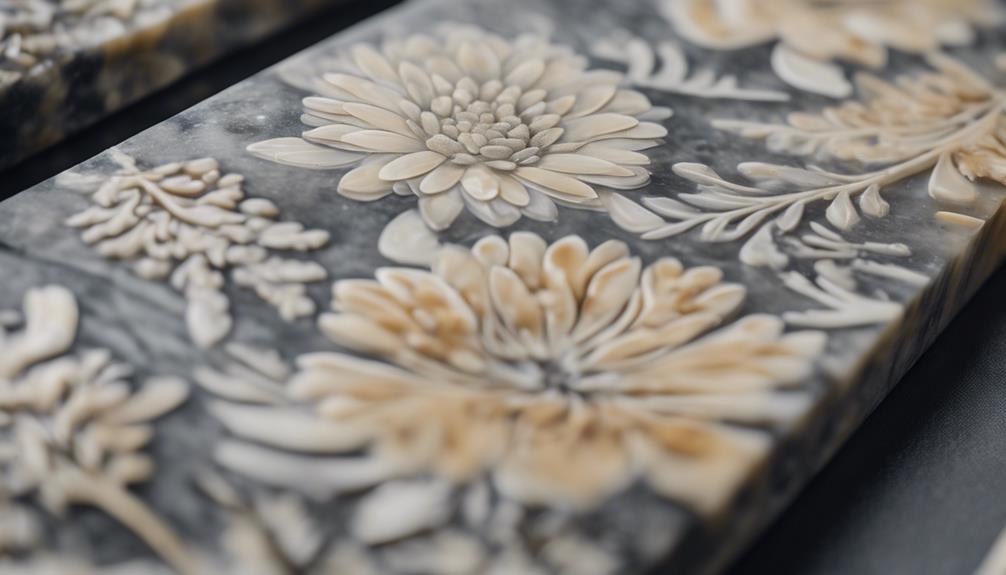
The pricing of Chrysanthemum Stone is intricately linked to its quality and rarity, with premium specimens commanding higher market value. Evaluating these stones involves examining their natural patterns, clarity, and craftsmanship, particularly when fashioned into artisan necklaces. In addition, ethical sourcing practices can greatly impact pricing, as responsibly mined stones often reflect a commitment to sustainability that resonates with discerning collectors.
Premium Quality and Rarity
Premium quality Chrysanthemum Stone is characterized by its distinctive and intricate floral patterns, which greatly influence its market value and rarity. These unique flower-like patterns are not only aesthetically pleasing but also signify the authenticity of the stone. Genuine pieces often display natural formations, while artificially shaped designs can detract from both their value and integrity.
The rarity of premium quality Chrysanthemum Stone is further emphasized by the market demand, particularly among collectors who seek authentic specimens. Pricing can vary considerably based on factors such as size, quality, and the intricacy of the floral designs. High-quality pieces command substantial prices, reflecting their desirability in the marketplace.
It is imperative for buyers to remain vigilant regarding market practices, guaranteeing they purchase from reputable crystal shops and specialized online retailers. Verification of origin and quality is essential to avoid potential pitfalls associated with enhancements that may artificially inflate aesthetic value. For collectors and practitioners, this diligence guarantees an investment in genuine pieces that preserve the natural beauty and healing properties associated with Chrysanthemum Stone. Ultimately, understanding these dynamics enhances one's ability to appreciate and invest in this unique gemstone safely.
Market Value and Quality
Market value for Chrysanthemum Stone is influenced by several critical factors, including size, quality, and the intricacy of its floral patterns, leading to a pricing range that can extend from as low as $5 to upwards of $100 for larger, high-quality specimens. Authentic pieces display natural flower-like designs, while artificially shaped stones tend to have diminished value.
When evaluating the quality of Chrysanthemum Stone, it is crucial to contemplate clarity, the vividness of flower patterns, and overall finish. These characteristics considerably impact aesthetic appeal and, consequently, market value. Rarity also plays a pivotal role, particularly for stones sourced from China, which are highly sought after among collectors and metaphysical practitioners.
| Quality Assessment Factors | Example Characteristics |
|---|---|
| Clarity | Transparent, minimal inclusions |
| Pattern Intricacy | Dense, well-defined flowers |
| Size | Larger stones (over 2 inches) |
| Finish | Smooth, polished surfaces |
| Authenticity | Verified source, natural patterns |
Consumers are encouraged to prioritize ethical sourcing and verify the authenticity of their Chrysanthemum Stone purchases to guarantee both quality and integrity.
Worn in Artisan Necklaces
Artisan necklaces featuring Chrysanthemum Stone are prized not only for their unique floral patterns but also for their pricing, which typically spans from $30 to $150 based on design complexity and stone quality. The value of these necklaces is greatly influenced by the quality of the Chrysanthemum Stone, with high-quality pieces showcasing clear, distinct flower patterns that enhance their aesthetic appeal and healing properties.
When evaluating the quality of Chrysanthemum Stone in artisan necklaces, it is vital to prioritize authentic natural patterns. Artificially shaped designs may compromise the energy within the stone, diminishing its intended benefits. As these stones are often believed to provide zodiac benefits, their authenticity becomes paramount for those seeking genuine energetic connections.
Additionally, many artisan necklaces incorporate complementary materials such as silver or gold settings, which can elevate both the style and durability of the piece. For consumers looking to invest in these unique necklaces, purchasing from reputable jewelers or crystal shops is critical. This guarantees the authenticity and ethical sourcing of Chrysanthemum Stone, providing peace of mind for those who value quality and the healing properties of their jewelry.
Frequently Asked Questions
What Are the Healing Properties of Chrysanthemum Stone?
Chrysanthemum stone benefits include emotional healing through anxiety reduction and stress relief. Its properties support physical health, aiding in wound healing and digestive issues. In chrysanthemum stone meditation, users often experience enhanced focus and tranquility, promoting restful sleep. Regular chrysanthemum stone cleansing is essential to maintain its effectiveness. Commonly crafted into jewelry, this stone's origins trace back to its unique geological formation, making it not only beautiful but also a valuable tool for personal transformation and self-discovery.
What Are the Spiritual Properties of Chrysanthemums?
Chrysanthemums hold significant spiritual properties, symbolizing resilience and longevity, and embodying the essence of flower energy. Their spiritual significance lies in their ability to enhance nature connection, fostering a sense of belonging and harmony. Employed in meditation practices, chrysanthemums can facilitate emotional healing, encouraging mindfulness techniques that promote self-awareness and inner peace. By integrating these beautiful blooms into daily rituals, individuals may deepen their spiritual journey and cultivate a more profound appreciation for the present moment.
What Chakra Is the Chrysanthemum Stone?
The Chrysanthemum Stone primarily engages with the Root and Crown Chakras, facilitating chakra alignment and ideal energy flow. Its grounding properties support emotional balance, making it a beneficial tool in meditation techniques and grounding practices. When used in crystal grids, the stone enhances intuition, promoting a harmonious connection between the physical and spiritual domains. By focusing on these chakras, individuals can achieve greater stability, security, and enhanced spiritual awareness.
What Is Another Name for a Chrysanthemum Stone?
Another name for Chrysanthemum Stone is Flower Stone, reflecting its visually striking patterns reminiscent of chrysanthemum blooms. This stone is often associated with chrysanthemum symbolism, which encompasses themes of love and prosperity. Its history traces back to various cultures, particularly in Asia, where its origins are intertwined with traditional art forms and cultivation practices. Chrysanthemum varieties continue to inspire appreciation in both natural and artistic contexts, enhancing its significance across cultures.