
Euclase, a rare beryllium aluminum silicate mineral, exhibits vibrant colors such as blue and green, each associated with distinct metaphysical properties. Known for promoting emotional healing and forgiveness, euclase aligns primarily with the throat chakra, enhancing communication and self-expression. Its physical benefits include alleviating muscle tension and supporting immune health. Euclase is also linked to Virgo and Sagittarius, enhancing clarity and spiritual growth respectively. Cleansing it under moonlight boosts its energies, making it essential for practitioners. For those interested in its various applications and benefits, further insights await discovery.
Key Takeaways
- Euclase is a rare beryllium aluminum silicate mineral known for its striking colors and healing properties.
- It promotes emotional healing by facilitating forgiveness and understanding, aiding in trauma recovery.
- Associated with the throat chakra, euclase enhances communication and self-expression.
- It serves as an alternative birthstone for Virgo and Sagittarius, supporting their qualities and spiritual growth.
Crystal Overview and Meaning
Euclase, a rare beryllium aluminum silicate mineral, is frequently celebrated for its striking colors and unique properties, making it a significant subject of interest in both gemology and metaphysical practices. This mineral is characterized by its chemical formula BeAlSiO4(OH) and can be found in enchanting hues such as blue, green, yellow, and colorless varieties. With a Mohs hardness of 6.5 to 7.5, euclase exhibits a notable balance of beauty and durability, although its perfect cleavage renders it susceptible to chipping.
In gemological contexts, euclase is often regarded as an alternative birthstone for those born under the signs of Virgo and Sagittarius, enhancing qualities such as intuition and clarity. Its rarity and aesthetic appeal make it a prized addition to fine jewelry collections, yet only the highest quality specimens are deemed suitable for serious collectors.
From a metaphysical standpoint, euclase is attributed with profound healing properties. It is believed to promote emotional healing and personal growth, fostering self-awareness and aiding in the release of negative energies. This mineral acts as a catalyst for spiritual awareness, allowing individuals to connect more deeply with their inner selves. Consequently, euclase is not only a visually striking gemstone but also a valuable tool for those seeking to enhance their emotional well-being and spiritual journey, while ensuring that safety and care are prioritized in its use and handling.
Healing and Chakra Alignment
Euclase serves as a powerful tool for healing and chakra alignment, particularly through its connection to the throat chakra, which enhances communication and self-expression. Its therapeutic benefits extend to emotional healing, facilitating the release of negative patterns and promoting balance within the energy flow of the body. Additionally, incorporating meditation techniques with euclase and cleansing the stone with moonlight energy can further amplify its effects, fostering a deeper connection to one's spiritual self.
Blue Beryl Alternative
As a compelling alternative to blue beryl, euclase offers unique metaphysical properties that enhance emotional clarity and facilitate effective communication, particularly within the context of throat chakra alignment. This distinguished blue crystal is recognized for its ability to promote spiritual awareness and intuition, consequently serving as a valuable asset for individuals seeking deeper self-understanding and healing.
Euclase's striking blue hue is not only visually appealing but also serves to clear negative energies, fostering an environment conducive to positive thinking. This quality greatly aids in emotional healing and personal growth, as it encourages users to express their thoughts and feelings more effectively. By balancing and aligning the throat chakra, euclase supports individuals in articulating their inner truths with confidence and clarity.
Moreover, the stone's calming energy nurtures creativity, grounding spiritual practices while enhancing communication skills. Its rarity adds to its allure, making euclase an exceptional alternative for those drawn to the properties of blue beryl. Consequently, euclase stands out as a powerful tool for those seeking holistic healing and alignment within their energetic centers.
Therapeutic Benefits of Euclase
The therapeutic benefits of euclase extend beyond its aesthetic appeal, offering significant healing properties that promote emotional balance and facilitate chakra alignment, particularly within the throat chakra. This crystal is a powerful ally for those seeking emotional healing and enhanced spiritual well-being. Its properties include the following:
- Promotes Forgiveness and Understanding: Euclase aids in processing past traumas, which can help reduce anxiety and foster emotional resilience.
- Enhances Communication: By aligning with the throat chakra, euclase encourages clear communication and the honest expression of thoughts, thereby improving interpersonal relationships.
- Facilitates Intuitive Insights: When used in meditation, this crystal can help access intuitive insights and the Akashic Records, providing clarity and enhancing spiritual awareness.
Regular use of euclase is recommended for chakra alignment, as it effectively clears negative energies and fosters emotional stability. Additionally, physical benefits such as alleviating muscle tension and supporting the immune system are also attributed to this remarkable stone. By integrating euclase into your healing practices, you can enhance your emotional healing journey while promoting overall spiritual well-being.
Meditation Techniques With Euclase
Utilizing euclase in meditation practices can greatly enhance clarity and focus, fostering a profound connection to one's inner self while promoting emotional healing and chakra alignment. When meditating with euclase, practitioners are encouraged to hold the stone in their hands or place it directly on the heart chakra. This practice strengthens the heart-mind connection, facilitating a deeper emotional release and healing process.
The unique properties of euclase, known for promoting synchronicities, can considerably amplify during meditation, aligning users with their spiritual paths and intentions. Additionally, euclase aids in balancing the throat chakra, which enhances communication and self-expression, crucial components in holistic healing.
For ideal results, it is beneficial to pair euclase with complementary stones such as Tourmalines or Topazes. This combination maximizes the flow of healing energy and further enhances the meditation experience. Practitioners should approach their sessions with an intention of safety and mindfulness, ensuring a supportive environment for emotional exploration and growth. With regular practice, euclase can serve as a powerful ally in achieving clarity and emotional stability while fostering a harmonious balance within the heart and throat chakras.
Cleansing With Moonlight Energy
Cleansing euclase with moonlight energy serves as an effective technique for recharging its metaphysical properties, ultimately enhancing its vibrational frequency and promoting emotional balance. This method involves placing the euclase stone under the moonlight for several hours, particularly during the full moon, when lunar energies are at their peak. Such exposure allows the crystal to absorb positive energy, reinforcing its inherent qualities of clarity and communication.
Regular cleansing with moonlight is essential for maintaining the stone's positive energy flow, ensuring its efficacy in fostering intuitive insights and self-awareness. The gentle nature of moonlight makes it a safe and harmonious cleansing method, reducing the risk of damage often associated with harsher cleansing techniques.
To further amplify the benefits, practitioners can integrate visualization techniques during the cleansing process. By imagining the moonlight enveloping the euclase, one can enhance its healing properties and align the chakras more effectively. This practice is particularly beneficial as it resonates with euclase's intrinsic characteristics, supporting emotional healing and spiritual alignment, and thereby maximizing its potential in various healing practices.
Complementary Crystals for Healing
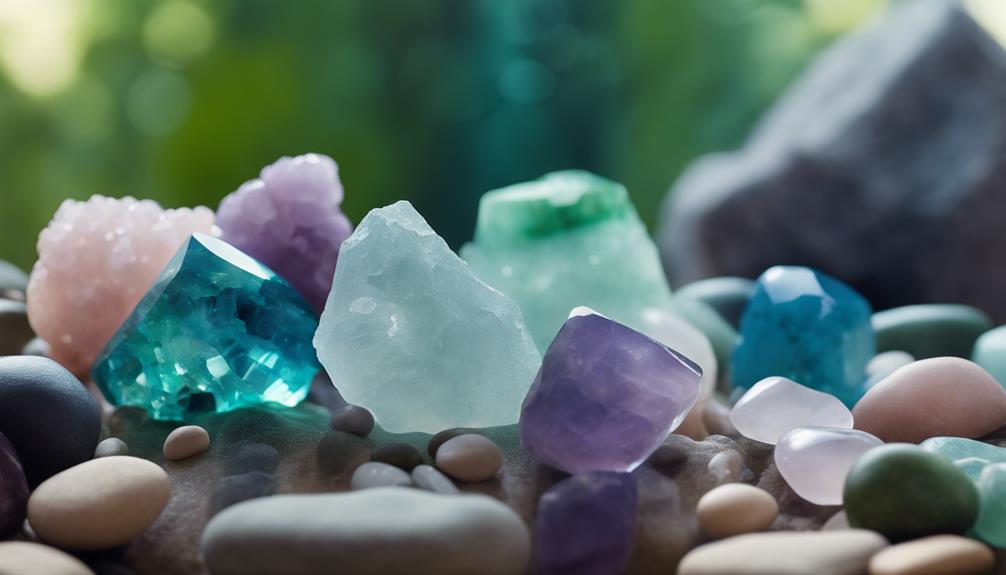
Combining Euclase with complementary crystals can greatly enhance its healing properties, fostering emotional balance and spiritual growth. The strategic pairing of Euclase with specific stones maximizes its benefits and promotes a more profound transformative healing experience.
One effective combination is Euclase with Tourmalines. This pairing enhances emotional healing by strengthening the connection between the heart and mind, facilitating clarity and heightened self-awareness. The grounding qualities of Tourmalines provide stability, essential for individuals traversing emotional turbulence.
Another beneficial stone to combine with Euclase is Topaz. This duo amplifies the positive effects of Euclase, particularly in enhancing intuition and supporting personal growth. Topaz's energizing properties complement Euclase's ability to foster emotional balance, creating a synergistic effect that encourages self-discovery.
Moldavite is also notable when paired with Euclase, as it greatly increases synchronicities and third eye vibrations. This combination deepens spiritual experiences, allowing for heightened awareness and connection to the universe. The transformative energies of Moldavite, alongside Euclase, can lead to profound insights and spiritual realizations.
Lastly, Jet serves as an ideal companion for those seeking emotional stability. Its cleansing properties protect the heart, making it a wise choice for individuals looking to heal emotional wounds. By integrating these complementary stones into their healing practices, individuals can cultivate a supportive environment conducive to both emotional healing and spiritual growth.
Zodiac Sign Associations
Euclase is primarily associated with the zodiac signs Virgo and Sagittarius, enhancing their inherent qualities and attributes. This crystal serves as a potent zodiac gem, promoting clarity and self-awareness for Virgos while fostering spiritual growth and intuition for Sagittarians. Additionally, as an element of water, Euclase aligns with the emotional and intuitive aspects of these signs, supporting their personal development and resilience in overcoming challenges.
Zodiac Sign Compatibility Insights
Given its association with clarity and self-awareness, euclase serves as a powerful tool for enhancing compatibility between Virgo and Sagittarius, two zodiac signs that embody distinct yet complementary traits. The properties of euclase stones promote effective communication and bolster intuitive understanding, essential for the analytical Virgo and the adventurous Sagittarius. This duality fosters a harmonious relationship characterized by mutual respect and growth.
For Virgos, who often aim for perfection, euclase provides calming energy that alleviates stress and encourages emotional expression. This support allows them to articulate their thoughts and feelings clearly, bridging the gap between the heart and mind. Conversely, for Sagittarians, known for their candidness, the stone enhances their ability to communicate their truths without reservation, enriching their interactions with others.
The spiritual benefits of euclase further align with both signs' values, promoting personal growth and a commitment to self-discovery. By fostering a connection between intellect and emotion, euclase empowers both Virgo and Sagittarius to navigate their relationship with enhanced clarity, encouraging a deeper understanding of one another in their shared journey.
Euclase as a Zodiac Gem
The gemstone euclase serves as a significant zodiac gem for individuals born under the signs of Virgo and Sagittarius, amplifying their inherent characteristics and fostering personal development. Its unique properties promote emotional balance and clarity, aligning seamlessly with the analytical tendencies of Virgo and the adventurous spirit of Sagittarius. Euclase encourages self-awareness, thereby enhancing the ability to navigate complex emotions and thoughts.
The following table illustrates the associations between euclase and the respective zodiac signs:
| Zodiac Sign | Key Traits Enhanced | Benefits of Euclase |
|---|---|---|
| Virgo | Analytical, meticulous | Promotes clarity and self-awareness |
| Sagittarius | Adventurous, optimistic | Encourages intuition and expression |
| Both | Communication | Fosters emotional balance |
| Alternative Birthstone | March, April | Offers additional spiritual growth |
| Overall | Personal Development | Aids in quest for knowledge |
Associated Element: Water
Associated with the element Water, euclase considerably enhances emotional fluidity and adaptability, further enriching its role as a transformative gemstone for individuals traversing their emotional landscapes. This element symbolizes emotions, intuition, and the subconscious mind, thereby amplifying euclase's healing properties. Specifically, it encourages emotional healing by facilitating a deeper understanding of one's feelings, helping individuals to navigate complex emotional terrains effectively.
As the zodiac stone for Virgo and Sagittarius, euclase aligns well with Virgo's analytical nature and Sagittarius's adventurous spirit. This connection enables individuals born under these signs to utilize euclase in overcoming negative patterns that may hinder personal growth. By fostering self-awareness, euclase supports Water signs in enhancing their intuitive and empathetic qualities, allowing for clearer and more effective communication of emotions.
Moreover, the water element empowers users of euclase to embrace change and transformation, essential for healing emotional wounds. Consequently, euclase serves as a valuable tool for those seeking not only to address emotional challenges but also to cultivate resilience against future adversities, promoting an overall sense of well-being.
Crystal Facts and History
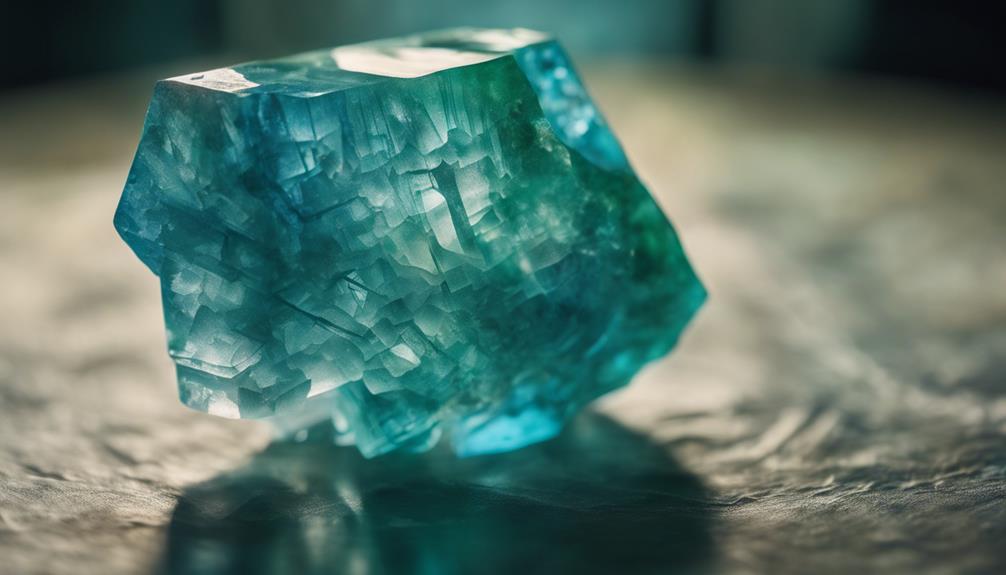
Euclase has not only captivated mineralogists since its discovery in 1785, but it has also influenced the creation of notable jewelry pieces throughout history. Ancient artisans recognized its unique properties, incorporating euclase into various artifacts that reflect its beauty and rarity. Additionally, historical figures have been documented as users or collectors of euclase, highlighting its significance beyond mere aesthetics in cultural contexts.
Notable Euclase Jewelry Pieces
Notable pieces of euclase jewelry, characterized by their vibrant color variations and unique crystal structures, attract collectors and enthusiasts alike due to their aesthetic and metaphysical properties. Gem collectors highly prize euclase for its rarity, which often positions it as a more expensive alternative to aquamarine. High-quality euclase, particularly in colorless or light blue forms, typically retails between $70 and $140 for raw pendants, reflecting its desirability in bespoke jewelry designs.
Exquisite specimens, such as the remarkable 144-carat lime-green euclase housed at the Smithsonian, serve as benchmarks for the gemstone's impressive size and beauty, further enhancing its appeal among collectors. While euclase is frequently confused with aquamarine and celestite, its distinctive properties—including a higher refractive index—enable clear differentiation in the jewelry market. As a semi-precious gemstone, euclase not only captivates with its visual allure but is also sought after for its metaphysical properties, making it an intriguing choice for those seeking unique and meaningful jewelry pieces. This combination of rarity and beauty guarantees that euclase jewelry remains a coveted addition to any collection.
Ancient Artisans and Euclase Artifacts
Valued for its aesthetic qualities and rarity, euclase has been skillfully crafted into jewelry and decorative artifacts by ancient artisans, reflecting a deep appreciation for the mineral's unique properties across various cultures. The historical significance of euclase is underscored by its limited availability compared to more common gemstones, which has contributed to its allure and desirability.
Ancient artisans recognized the rarefied beauty of euclase, often utilizing its exceptional clarity and striking color variations in their creations. The mineral's name, derived from Greek, emphasizes its favorable cleavage properties, which facilitated the crafting process. Artifacts made from euclase have mainly been discovered in regions abundant in beryllium minerals, suggesting that specific cultures held this gemstone in high regard, incorporating it into their artistic expressions.
The enduring fascination for euclase is evident in the way it has been sought after by collectors throughout history. Each euclase artifact not only serves as a demonstration of the craftsmanship of ancient artisans but also as a reflection of the cultural significance attributed to this unique mineral. Therefore, euclase continues to hold a prominent place in the study of historical artifacts and gemstone appreciation.
Notable Historical Figures' Usage
The allure of euclase has captivated prominent historical figures in the fields of geology and mineralogy, leading to its collection and study as a significant beryllium mineral throughout the 18th and 19th centuries. First discovered in Brazil by mineralogist René Just Háuy in 1785, euclase's unique properties quickly drew attention. Remarkably, Johann Friedrich August Breithaupt's extensive research in 1836 further solidified its academic relevance.
Euclase is characterized by its rare and striking color variations, which often led to misidentification as aquamarine in antiquity. This highlights the importance of accurate mineral identification to mitigate negative energy associated with misleading classifications. Its perfect cleavage, derived from the Greek roots of its name, underscores its geological significance and aesthetic appeal, making it a prized specimen among collectors.
Historically, noted geologists and mineralogists sought euclase not only for its beauty but also for its scientific implications. Collecting euclase has had an enduring impact in mineralogical studies, reinforcing the mineral's status as an essential component of the beryllium mineral family while promoting a deeper understanding of its properties and potential applications.
Ancient Uses of Euclase
The ancient uses of Euclase highlight its significance in various cultural practices, particularly in spiritual and healing contexts. This crystal's unique chemical structure and vibrant color variations not only contributed to its aesthetic appeal but also enhanced its metaphysical properties, making it a favored choice among ancient practitioners. Understanding the top-producing nations and forms of Euclase can provide further insights into its historical and cultural applications.
Top Euclase-Producing Nations
Key euclase-producing nations include Brazil, Zimbabwe, and Colombia, each contributing unique color variations and qualities to this rare mineral, which has captivated collectors since its discovery in the late 18th century. Brazil stands out as the primary source, renowned for yielding gem-quality euclase specimens that exhibit a spectrum of colors, especially deep sapphire-blue and colorless varieties. This country not only pioneered the discovery of euclase in 1785 but also remains a critical player in the global market.
Zimbabwe is known for its vibrant greenish-blue euclase, offering distinct beauty and rarity. Meanwhile, Colombia has emerged as a significant producer, showcasing unique color variations that further enhance the allure of this mineral. Beyond these primary nations, other mining locations include Tanzania, Russia, Australia, and Germany, each contributing specific characteristics influenced by their geological environments. The rarity of high-quality euclase specimens, particularly from Brazil and Zimbabwe, adds to its desirability among collectors, as these minerals are often found in hydrothermal settings rich in beryllium. Understanding these top-producing nations provides valuable insights into the mineral's market dynamics and collection potential.
Chemical Structure and Composition
Characterized by its chemical composition of BeAlSiO4(OH), euclase is a beryllium aluminum silicate mineral that exhibits unique properties essential for understanding its ancient uses and significance. The presence of hydroxide components within its chemical structure contributes to its distinctive optical characteristics, which have been valued throughout history.
The properties of euclase have made it particularly appealing for various applications, including:
- Decorative Artifacts: Its clarity and unique colors facilitated its use in ornamental pieces.
- Jewelry Making: Euclase's attractive luster and rarity led to its incorporation into jewelry, enhancing its desirability among collectors.
- Scientific Interest: The mineral's composition has attracted attention for mineralogical studies, fostering further understanding of beryllium aluminum hydroxide silicates.
The monoclinic crystal system in which euclase crystallizes, alongside its slender prismatic or fibrous forms, also plays a role in its historical significance. The mineral's perfect cleavage, indicated by its name derived from Greek meaning "easy fracture," further underscores its utility in ancient craftsmanship. Understanding euclase's chemical structure and composition not only highlights its aesthetic qualities but also its historical importance in various cultural contexts.
Color Variations and Patterns
Exhibiting a spectrum of color variations, euclase has captivated ancient cultures not only for its visual allure but also for the perceived metaphysical properties attributed to each hue. The gemstone presents a range of colors from colorless euclase to shades of light to dark blue, with blue-green variations and green to deep yellowish tones. Each hue is believed to carry distinct energetic qualities; for instance, blue hues are often associated with calmness and clarity, while green variants are linked to healing and balance.
The striking blue coloration is typically enhanced by iron impurities, while chromium and vanadium contribute to the vibrant greenish-blue specimens, particularly those sourced from Zimbabwe. Ancient civilizations valued euclase not only for its beauty but also for its protective attributes, often incorporating it into amulets and decorative ornaments.
However, its perfect cleavage renders euclase fragile, necessitating careful handling and craftsmanship in jewelry settings to avoid damage. This fragility, combined with its aesthetic appeal and rarity, has solidified euclase's status as a prized gemstone throughout history, appreciated for both its appearance and its believed metaphysical benefits.
Forms and Configurations
Throughout history, euclase has been utilized in various forms and configurations, serving not only as a decorative gemstone but also as a revered component in spiritual and healing practices across ancient cultures. The unique properties of euclase gemstones stem from their distinct crystal system, which influences their application in healing and meditation.
- Talismans and Amulets: Ancient civilizations crafted euclase into talismans, believing in its ability to promote emotional healing and personal insight.
- Healing Tools: Used in spiritual rituals, euclase was thought to enhance clarity and self-awareness, aligning with its reputed healing properties.
- Decorative Objects: The gemstone's beauty made it a favored choice for decorative items, signifying status and spiritual significance in various cultures.
The historical appreciation for euclase highlights its multifaceted role in both aesthetic and spiritual dimensions. Its easy cleavage, as indicated by its name, allows for intricate designs that further enhance its appeal. The ongoing fascination with euclase reflects the enduring belief in the efficacy of gemstones in promoting wellness and spiritual growth, particularly for individuals associated with the astrological signs of Virgo and Sagittarius.
Euclase Gemstone Market Trends
The euclase gemstone market is characterized by a growing interest in rare color variants and unique cuts, which greatly influence pricing dynamics. Insights into market pricing reveal substantial variations based on quality and hue, with premium specimens attracting high-value investments. Additionally, the rising trend of euclase being featured in statement rings further underscores its appeal among collectors and fashion enthusiasts alike.
Rare Color Variants and Cuts
Rare color variants of euclase, particularly the striking deep sapphire-blue specimens from Zimbabwe, have become increasingly valuable in the gemstone market due to their limited availability and high demand among collectors and enthusiasts. Euclase crystals exhibit a spectrum of colors, including blue, green, yellow, and colorless, with each variant possessing unique healing properties that appeal to both aesthetic and metaphysical interests.
The market dynamics for euclase reflect its scarcity, primarily sourced from Brazil and select locations, making high-quality specimens exceptionally sought after. Pricing varies considerably based on color and quality, with the most desirable hues commanding premium rates. For instance, deep blue and colorless variants often attract higher valuations, with wholesale prices ranging from $10 to $580 per carat.
Additionally, the popularity of euclase has prompted an increased interest in unique cuts and clarity. Well-faceted euclase pieces are particularly prized in the jewelry market, further driving demand. As enthusiasts embrace both the visual beauty and the metaphysical benefits of euclase, the gemstone's status as a valuable addition to collections continues to rise, solidifying its place in contemporary gemstone trends.
Euclase Market Pricing Insights
As demand for euclase continues to rise, market pricing has become increasingly influenced by factors such as color, clarity, and the origin of the gemstones, reflecting both their rarity and desirability among collectors. The price of euclase stones varies considerably; light blue specimens can range from $10 to $103 per carat, while deeper yellow and green shades command prices between $150 and $580 per carat. This price disparity underscores the impact of color on market valuation.
Additionally, colorless or light blue raw euclase pendants typically retail for $70 to $140, showcasing their appeal and limited availability. Wholesale pricing is further affected by clarity, cut, and carat weight, with high-quality specimens achieving premium values in the marketplace. The scarcity of euclase, largely due to notable mining locations like Brazil and Zimbabwe, enhances its market pricing, as exceptional specimens often demand considerably higher prices.
The overall market for euclase remains robust, driven by increasing interest from collectors and the limited availability of this enchanting gemstone. Consequently, understanding these pricing dynamics is essential for consumers and investors alike, ensuring informed decisions in this evolving market.
Worn in Statement Rings
Increasingly, euclase is being embraced in the jewelry market as a standout choice for statement rings, driven by its unique color variations and high refractive index that enhance its visual impact. This gemstone's rarity, primarily sourced from Brazil and Zimbabwe, adds to its allure, positioning it as a premium option for discerning collectors and jewelry enthusiasts.
The pricing for euclase statement rings reflects its quality, with costs varying greatly based on factors such as color, clarity, and size. High-quality euclase can command prices ranging from $100 to over $500 per carat, appealing to consumers seeking distinctive pieces that differentiate them from conventional choices like aquamarine.
Moreover, there is a notable market trend towards the appreciation of euclase not only for its aesthetic qualities but also for its metaphysical attributes. As awareness of euclase's purported crystal healing properties grows, these rings are increasingly valued for their potential benefits in promoting clarity and emotional healing. This dual appeal of beauty and wellness makes euclase statement rings a compelling choice for consumers prioritizing both style and personal well-being in their jewelry selections.
Frequently Asked Questions
What Does the Euclase Mean Spiritually?
Spiritually, euclase signifies a profound connection between the heart and mind, fostering spiritual clarity and emotional balance. This crystal enhances intuitive insight, enabling individuals to access deeper layers of self-awareness and understanding. By promoting the release of negative energies, euclase facilitates personal growth and spiritual development. Its alignment with the throat chakra further supports effective communication of one's truth, ultimately guiding individuals toward a more harmonious and enlightened spiritual journey.
What Is the Meaning of Blue Euclase Crystal?
Blue Euclase is a distinctive mineral characterized by its striking hues and notable properties. It is revered for its ability to enhance spiritual awareness and improve communication through its association with the throat chakra. The symbolism of blue Euclase encompasses clarity and self-awareness, making it instrumental in emotional healing. Its uses include calming anxiety and fostering intuitive insights, thereby serving as a valuable resource for meditation and personal transformation.
What Is Euclase Stone?
Euclase is a rare mineral characterized by its striking color variations, including blue, green, colorless, yellow, and pink. This gemstone forms through a monoclinic crystal structure, exhibiting slender prismatic crystals that reflect its unique euclase crystal formation. Beyond its aesthetic appeal, euclase is noted for its metaphysical properties, which are believed to enhance intuition and emotional clarity. However, due to its perfect cleavage, careful handling is essential to prevent chipping and damage.
Is Euclase a Rare Mineral?
Euclase is indeed a rare mineral, primarily due to its specific geological formation within metamorphic rocks rich in beryllium. The euclase rarity factors include its limited occurrence and the challenges associated with mining. Consequently, euclase market value can be considerably high, fluctuating based on color, clarity, and size. Its discovery history highlights notable locations such as Brazil and Colombia, which further enhances its desirability among collectors and gem enthusiasts.


