Diamonds symbolize purity and emotional abundance, enhancing spiritual awareness through their association with the Crown Chakra. Their exceptional hardness reflects resilience, while colored variants provide targeted support for emotional clarity and relational dynamics. With regard to healing properties, diamonds facilitate emotional balance and self-esteem, helping to overcome blockages and fears. Astrologically, they benefit Aries, Taurus, and Leo by amplifying courage, nurturing relationships, and fostering personal growth. Additionally, complementary crystals enhance their effects, promoting deeper connections and spiritual alignment. Understanding these attributes can enrich your appreciation of diamonds' multifaceted nature.
Key Takeaways
- Diamonds symbolize purity and love, amplifying emotional and spiritual abundance, while enhancing clarity and focus in relationships.
- Their healing properties promote emotional balance, foster deeper connections, and facilitate overcoming fears and emotional blockages.
- Diamonds stimulate all chakras, particularly the Heart Chakra, aiding in emotional healing and promoting effective communication.
- Associated with Aries, Taurus, and Leo, diamonds enhance personal growth, resilience, and confidence for individuals born under these signs.
Crystal Overview and Meaning
Diamonds, as precious gemstones defined by their exceptional hardness and brilliance, serve not only as symbols of purity and love but also embody a rich tapestry of cultural significance and metaphysical properties. Formed under extreme pressure within the Earth's mantle, diamonds are renowned for their unique physical characteristics, which include superior refractive qualities that contribute to their iconic sparkle. This gemstone is traditionally associated with the Crown Chakra, enhancing spiritual awareness and facilitating higher consciousness.
From a metaphysical perspective, diamonds are believed to possess potent healing properties. They are thought to amplify energy, thereby influencing both positive and negative emotional states. This amplification is particularly relevant in therapeutic settings, where diamonds may assist individuals in overcoming personal challenges by promoting clarity and focus. The diverse color spectrum of diamonds further enhances their therapeutic applications; for instance, yellow diamonds are reputed to encourage thoughtfulness, while blue diamonds are said to bolster willpower, providing targeted support to different emotional needs.
Historically, diamonds have held significant cultural value, often linked to notions of royalty and prestige. Their rarity and beauty have made them coveted across various civilizations, symbolizing not just material wealth but also emotional and spiritual abundance. By understanding the multifaceted meanings and healing properties of diamonds, individuals can harness their potential benefits, ensuring a thoughtful approach to their use in personal and collective well-being.
Healing Effects on Relationships
The healing effects of diamonds on relationships can be understood through their properties of clarity and emotional balance. By focusing on the Heart Chakra and employing techniques such as meditation and saltwater immersion, individuals can harness the gemstone's energy to foster deeper connections. This exploration will address how diamonds facilitate emotional healing and the enhancement of relational dynamics.
Brilliant Gemstone of Clarity
Regarded as a brilliant gemstone of clarity, diamonds possess unique properties that can markedly enhance emotional understanding and communication within relationships. Their energetic capabilities amplify both positive and negative emotions, facilitating a deeper recognition of underlying issues that may impact relational dynamics. By promoting emotional clarity and focus, diamonds serve as effective tools in bridging communication gaps between partners.
Particularly, Herkimer Diamonds, known for their exceptional clarity and double termination, are believed to heighten these effects. They are thought to resonate with the Heart Chakra, encouraging creative expression and emotional healing, which are critical for nurturing meaningful connections. As symbols of purity, diamonds foster an environment of harmony and love, allowing individuals to engage more openly.
Moreover, colored diamonds, such as pink diamonds, further enhance these properties by reinforcing emotional bonds and supporting the love energy associated with the Heart Chakra. The incorporation of diamonds into one's life can consequently play a pivotal role in restoring balance and clarity, ensuring that relationships thrive on mutual understanding and respect.
Emotional Balance and Clarity
Emotional balance and clarity are greatly enhanced through the unique properties of diamonds, which facilitate the guidance of complex feelings and promote effective communication within relationships. The inherent emotional healing qualities of diamonds serve as a catalyst for addressing underlying emotional issues, enabling individuals to foster healthier connections with their partners.
- Diamonds amplify emotional states, greatly enhancing feelings of joy and spiritual alignment.
- Their energy encourages clarity and focus, vital for guiding intricate emotional landscapes.
- By reducing stress and promoting relaxation, diamonds lighten emotional burdens, fostering healthier interactions.
As individuals cultivate emotional healing through diamond energy, self-esteem and confidence are bolstered, contributing to a more balanced emotional state. This balance is essential for nurturing and sustaining meaningful relationships. Ultimately, diamonds serve not only as a symbol of love but also as a profound tool for emotional growth, resulting in deeper connections and improved understanding among partners.
Applying Diamond for Meditation
Integrating diamonds into meditation practices can considerably enhance relational healing by amplifying emotional clarity and fostering a profound connection with one's inner self. The energetic properties of diamonds facilitate the release of negative emotions, thereby promoting purity and harmony essential for nurturing love and understanding within relationships.
During meditation, the incorporation of diamonds, particularly in the form of a diamond ring, serves as a tangible reminder of commitment and emotional stability. This practice creates a peaceful environment conducive to open communication, reducing fear and emotional blockages that often hinder relational growth.
Furthermore, meditating with colored diamonds, such as pink, aligns with the Heart Chakra, enhancing creative expression and emotional healing necessary for addressing relationship challenges. As a master healer, diamonds stimulate all chakras, particularly the Crown and Etheric chakras, thereby advancing spiritual growth and alignment in interpersonal connections.
Saltwater Immersion Method
The saltwater immersion method serves as a powerful technique for cleansing diamonds, enhancing their inherent healing properties to promote relational harmony and emotional clarity. This method involves submerging diamonds in a bowl of saltwater, which is believed to purify the gemstones and amplify their positive energies. The purification process helps clear negative energies that may contribute to emotional blockages, thereby fostering love, understanding, and harmony between partners.
Regular immersion in saltwater activates the emotional healing properties of diamonds, facilitating the release of fears and past traumas that can hinder relationship growth. This technique is particularly beneficial as it enhances the connection to the Crown Chakra, promoting clarity in communication and emotional expression.
However, to guarantee the safety and integrity of the diamond, it is vital to adhere to recommended immersion times, limiting exposure to a few hours. Excessive immersion may risk damaging the diamond's structure and vibrational integrity. By utilizing the saltwater immersion method judiciously, individuals can harness the healing properties of diamonds, thereby enhancing their relational dynamics and emotional well-being.
Complementary Crystals for Diamond
Complementary crystals for diamonds can greatly enhance their energetic properties, facilitating deeper meditative practices and promoting emotional balance. When integrated into healing rituals, these crystals can amplify the inherent qualities of diamonds, thereby optimizing their benefits.
Clear quartz is one of the most effective complementary crystals, known for its ability to amplify energy. When paired with diamonds, it enhances clarity and focus, making it an ideal choice for meditation and spiritual practices. Similarly, Herkimer diamonds, recognized for their high vibrational energy, further intensify the spiritual growth and connections initiated by traditional diamonds.
For emotional healing, pink tourmaline resonates strongly with the heart chakra. Its properties promote love and compassion, providing a harmonious balance to the emotional healing aspects of diamonds. Conversely, black tourmaline serves as a grounding crystal, offering protective energies against negative influences. This combination guarantees a stable energetic foundation, which is vital for effective healing practices.
Citrine, associated with abundance and positivity, complements diamonds by amplifying their properties of prosperity and success. This combination is particularly effective for manifesting intentions, as it supports both the manifestation process and the energetic clarity provided by diamonds.
Zodiac Sign Associations
Diamonds are intrinsically linked to the Zodiac signs of Aries, Taurus, and Leo, each of which can harness the gemstone's potent energies for personal growth and emotional healing. As the birthstone for April, diamonds symbolize attributes such as purity and love, further enhancing their significance for those born under these signs. Additionally, their association with the fire element underscores the dynamic qualities that diamonds can provide in the context of astrological influence.
Zodiac Signs Linked to Diamonds
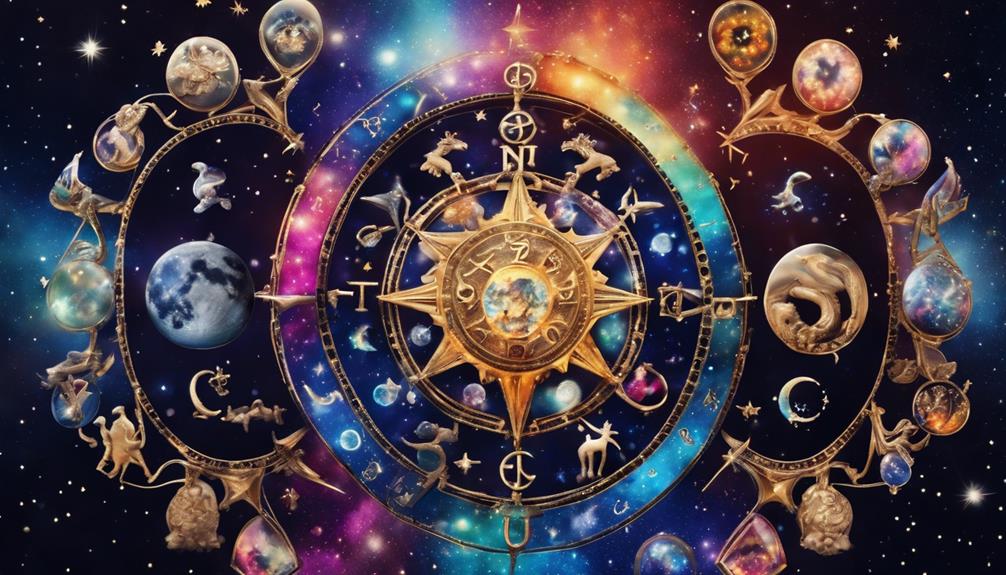
Certain zodiac signs, specifically Aries, Taurus, and Leo, are intrinsically linked to the properties and symbolism of diamonds, each embodying unique qualities such as strength, love, and resilience. Aries, characterized by its assertive and dynamic nature, benefits from the diamond's ability to enhance courage and determination. This connection promotes the positive traits inherent in this zodiac sign, fostering leadership and initiative.
Taurus, ruled by Venus, finds in diamonds a symbol of love and beauty. The gemstone amplifies Taurus' natural affinity for harmony and stability, reinforcing their emotional resilience. The diamond serves as a talisman, attracting nurturing relationships and fostering a sense of security.
Leo, known for its charismatic and confident demeanor, resonates with the diamond's brilliance and clarity. The properties of diamonds empower Leo individuals to shine brightly, enhancing their natural leadership qualities. By wearing diamonds, Leos can harness emotional strength, facilitating personal growth and self-expression.
Associated With April's Gemstone
As the birthstone for April, diamonds are intricately connected to the energies of the zodiac signs Aries, Taurus, and Leo, each of which derives unique benefits from the gemstone's symbolic attributes. The energy of diamonds enhances personal qualities pertinent to these signs, promoting growth and harmony.
| Zodiac Sign | Key Energies and Benefits |
|---|---|
| Aries | Leadership, courage, and clarity |
| Taurus | Stability, sensuality, and love |
| Leo | Creativity, confidence, and warmth |
For Aries, diamonds amplify their natural leadership qualities, providing clarity and focus. Taurus individuals experience enhanced stability and emotional depth, reinforcing their connections with love and beauty. Leos harness the creative energy of diamonds, fostering confidence and warmth in their interactions.
Furthermore, diamonds resonate with the Master Number 33, associated with spiritual growth and compassion. This numerical vibration reinforces the healing properties of diamonds, providing a sense of safety and emotional well-being. Each zodiac sign's unique relationship with diamonds not only enriches their personal traits but also allows for a deeper emotional connection to the world around them, making diamonds a powerful ally in life's journey.
Associated Fire Element
The association of diamonds with the fire element underscores their role in enhancing the passionate and dynamic traits inherent in the zodiac signs Aries, Leo, and Taurus. These signs are characterized by their energetic and assertive nature, which diamonds amplify through their inherent healing properties. The vibrational frequency of diamonds, resonating with Master Number 33, fosters spiritual growth and creativity, essential for individuals seeking to harness the full potential of their fire sign characteristics.
In particular, diamonds serve as a conduit for emotional healing, allowing Aries, Leo, and Taurus to navigate the complexities of their passionate dispositions. The influence of Venus, the planet governing love and beauty, further enriches the diamond's properties, promoting harmonious relationships and creative expression. This synergy not only bolsters the innate strengths of these fire signs but also provides a grounding force during turbulent emotional experiences.
Ultimately, the integration of diamonds into the lives of individuals born under these signs can lead to enhanced resilience, a deeper connection to their passions, and a more profound understanding of their spiritual journey. Such benefits underscore the importance of diamonds as more than mere adornments, but as crucial tools for personal growth.
Crystal Facts and History
The historical significance of diamonds extends beyond their geological formation and physical properties, encompassing notable engagement rings, infamous thefts, and their association with prominent figures. These elements not only highlight the cultural importance of diamonds but also illustrate their influence on social customs and economic value. Analyzing these aspects provides a thorough understanding of the diamond's role in both personal and societal contexts.
Notable Diamond Engagement Rings
Notable diamond engagement rings throughout history not only exemplify exquisite craftsmanship and design but also reflect cultural trends, personal stories, and societal values associated with love and commitment. These rings serve as significant markers of emotional investment and social status, often embodying the concept of Diamond Healing, which suggests that diamonds can promote clarity and healing in relationships.
The 45.52-carat Hope Diamond, with its deep blue hue, is famous for both its beauty and the lore surrounding its purported curse. In contrast, Princess Diana's engagement ring, featuring a 12-carat sapphire surrounded by 14 diamonds, signifies a shift towards colored gemstones, influencing contemporary choices in engagement jewelry.
Elizabeth Taylor's 33.19-carat Krupp Diamond ring encapsulates opulence, showcasing a brilliant cut that reflects her unique aesthetic. The Tiffany Setting, introduced in 1886, revolutionized the presentation of diamonds by elevating them above the band, maximizing light exposure and influencing design standards that endure today. Finally, Grace Kelly's 24.04-carat emerald-cut diamond engagement ring remains a timeless symbol of royal elegance, further solidifying the diamond's place in the narrative of love and commitment.
Famous Diamond Heists and Discoveries
Significant diamond heists and discoveries throughout history reveal not only the allure of these gemstones but also the intricate interplay between security, culture, and criminality in the world of high-value jewelry. The 2003 Great Diamond Heist in London exemplifies this dynamic, where a group infiltrated the Hatton Garden Safe Deposit Company, pilfering over £14 million in diamonds and valuables. Such incidents emphasize the necessity for fortified security measures in safeguarding precious stones.
The storied Hope Diamond, weighing 45.52 carats, showcases the complexities of provenance and theft, having been stolen from the French Crown Jewels in 1791 before eventually finding a permanent home at the Smithsonian in 1958. Similarly, the theft of the Dresden Green Diamond in 2019 from Germany's Green Vault underscores the ongoing vulnerabilities faced by institutions housing valuable gems. Meanwhile, the remarkable Cullinan Diamond, discovered in 1905, illustrates the allure that drives both legitimate and illicit pursuits of diamonds.
Amidst these narratives, the Herkimer diamond—though not a high-value gemstone—serves as a reminder of the diverse types of diamonds and the varied contexts in which they are appreciated or exploited.
Celebrities Who Wore Diamonds
Diamonds have long served as a favored adornment among celebrities, symbolizing wealth, prestige, and an enduring connection to the glamorous world of high fashion and public persona. Notable figures such as Marilyn Monroe, who famously declared her affinity for diamonds, epitomize the status associated with these gemstones. The iconic 'Tiffany Blue Box' has become synonymous with luxury, as numerous celebrities select Tiffany & Co. for their engagement rings, reflecting a commitment to both elegance and tradition.
Contemporary celebrities like Beyoncé and Cardi B continue this legacy, often showcasing extravagant diamond jewelry valued in the millions. Such displays highlight not only personal style but also the cultural significance of diamonds in modern celebrity culture. Additionally, Princess Diana's engagement ring, featuring a blue sapphire surrounded by diamonds, remains a pivotal influence on trends in royal and celebrity engagements alike.
At prestigious events such as the Oscars and the Met Gala, diamonds are frequently featured, with celebrities donning striking diamond-studded pieces that make powerful fashion statements. The healing properties attributed to diamonds also resonate within the context of their symbolic significance, offering a blend of luxury with a deeper emotional connection for those who wear them.
Famous Diamond Discoveries
The exploration of famous diamond discoveries reveals significant insights into the geological and economic aspects of diamonds. It highlights major diamond-producing nations, the implications of diamond's atomic structure, the variations in color that contribute to valuation, and the diverse cutting styles that enhance their aesthetic appeal. Understanding these facets not only enriches our appreciation of diamonds but also underscores their importance in both industry and culture.
Major Diamond-Producing Nations
Global diamond production is dominated by a select few nations, each contributing unique geological resources and mining expertise that shape the industry's landscape. Russia leads as the largest producer by volume, with its Yakutia region housing the Mirny and Udachny mines, known for their extensive reserves and high-quality properties. These mines illustrate the significant impact of geological conditions on diamond yield and quality.
Botswana follows, recognized for the exceptional quality of its diamonds, particularly from the Jwaneng and Orapa mines. These mines are frequently ranked among the richest globally, underscoring the importance of sustainable mining practices and advanced extraction technologies to preserve the properties of these precious stones.
Canada has emerged as a remarkable contender since the 1990s, with the Ekati and Diavik mines in the Northwest Territories marking significant discoveries that contribute to a safer and more diversified diamond supply. The historical context of diamond production is epitomized by the Hope Diamond, originally from India, which showcases the long-standing cultural and economic significance of diamonds across different regions. Together, these nations play a pivotal role in shaping the global diamond industry.
Diamond's Atomic Structure Insights
Significant insights into diamond's atomic structure can be gleaned from renowned discoveries that highlight both the geological conditions of their formation and the inherent properties that define these gemstones. The crystalline configuration of diamonds, composed of carbon atoms in a tetrahedral arrangement, contributes to their exceptional hardness and high vibrational energy. This three-dimensional network not only imparts durability but also affects the way diamonds interact with light and energy.
Key findings from famous diamond discoveries include:
- The Cullinan Diamond's remarkable size, reflecting unique geological environments conducive to crystal growth.
- The Hope Diamond's enchanting blue hue, resulting from boron impurities within its atomic structure, adding a layer of historical intrigue.
- The comparative analysis of synthetic diamonds, which replicate natural atomic structures with fewer impurities, ensuring consistency in quality.
Understanding these diamond's atomic structure insights enhances our appreciation of their beauty and durability, while also ensuring informed decisions regarding their ethical sourcing and use.
Diamond Color Variations
Color variations in diamonds, influenced by specific impurities and structural characteristics, play a critical role in their valuation and appeal, as evidenced by renowned examples such as the Hope Diamond, Pink Star, and Canary Diamond. The presence of impurities such as nitrogen and boron leads to distinct hues; nitrogen imparts yellow and brown shades, while boron results in blue diamonds.
Among the most notable discoveries is the Red Diamond, one of the rarest, making it a highly coveted collector's item. Fancy colored diamonds are assessed based on hue, tone, and saturation, with a higher saturation often yielding increased market value. The Golden Jubilee, weighing 545.67 carats, stands as the largest known yellow diamond, highlighting the significance of color variations in diamond history.
| Diamond Name | Color |
|---|---|
| Hope Diamond | Blue |
| Pink Star | Pink |
| Canary Diamond | Yellow |
The allure of diamonds extends beyond traditional variants, as seen in Herkimer Diamond jewelry, which showcases unique clarity and natural facets, appealing to collectors and enthusiasts alike. Each variant contributes to the rich tapestry of diamond lore and valuation.
Diamond Cut Styles
The intricate relationship between diamond color variations and their cut styles reveals how specific shapes can enhance or diminish the inherent beauty and value of these gemstones, with renowned examples illustrating the impact of cut on a diamond's overall appeal. The choice of cut considerably influences a diamond's brilliance, clarity, and perceived value, while also mitigating any negative energy associated with the stone.
Notably, the following cut styles exemplify the interplay between shape and desirability:
- Round Brilliant Cut: Maximizes light reflection, making it the preeminent choice for engagement rings.
- Princess Cut: A modern square shape that has become a top-selling diamond globally since its inception in the late 1970s.
- Emerald Cut: Prioritizes clarity and color, appealing to those who favor vintage aesthetics with its step-cut facets.
Understanding these cut styles is essential for anyone looking to invest in diamonds, ensuring that they select a piece that not only captivates but also aligns with their personal and energetic preferences.
Diamond Quality Assessment Criteria
The assessment of diamond quality is fundamentally anchored in the Four Cs: Carat weight, Cut, Color, and Clarity. Each of these attributes contributes considerably to the market value of diamonds, influencing consumer preferences, particularly in high-demand items such as engagement rings and necklaces. Analyzing these criteria allows for a thorough understanding of both the aesthetic and economic implications of diamond selection.
Costly Cuts and Clarity
Four key criteria—Carat weight, Cut quality, Color, and Clarity—meticulously evaluate diamonds, forming the foundation of their market value and visual appeal. Carat weight quantifies the size of the diamond, with one carat equating to 200 milligrams; larger stones typically command premium prices due to their rarity. The cut quality, ranging from Excellent to Poor, greatly influences a diamond's brilliance and light performance, highlighting the importance of skilled craftsmanship.
Color grading assesses the diamond's hue, with colorless specimens (graded D) being the most desirable. Conversely, diamonds exhibiting yellow or brown hues receive lower grades, impacting their overall value. Clarity is a critical factor, measuring imperfections both internal and external. Flawless diamonds (graded IF) are exceedingly rare, while those with visible inclusions are graded lower, thereby reducing their market worth.
In the domain of Herkimer Diamond jewelry, these criteria remain pertinent, as they not only dictate the aesthetic appeal but also the investment potential of these unique gemstones. Understanding these quality assessment measures is essential for consumers seeking safety in their diamond purchases, ensuring informed decisions that align with their values and preferences.
Market Value and Assessment
Market value and assessment of diamonds hinge primarily on the thorough evaluation of the Four Cs—Carat weight, Cut quality, Color grade, and Clarity—which collectively determine a diamond's desirability and pricing in the competitive marketplace. Carat weight reflects the size of the diamond, with prices ranging from $2,000 to $16,000 per carat based on quality. Cut quality evaluates how well the diamond reflects light, directly affecting its brilliance and overall appeal.
Color grade assesses the absence of color in white diamonds, with rare hues like blue or pink considerably enhancing market value due to their rarity and desirability among collectors. Clarity measures the presence of internal or external imperfections, with higher clarity grades commanding greater prices.
Certification from reputable gemological laboratories, such as the Gemological Institute of America (GIA), is essential for verifying these attributes and ensuring investment security. Legendary diamonds, such as the Hope Diamond, can reach astronomical values, sometimes estimated at $250 million, driven by historical significance and unique characteristics. Consequently, a thorough understanding of these criteria is crucial for anyone engaged in the diamond market.
Engagement Rings and Necklaces
Assessment of diamond quality in engagement rings and necklaces relies heavily on the precise evaluation of the Four Cs: Cut, Color, Clarity, and Carat weight, each contributing greatly to the gem's overall aesthetic and market value. The Cut is paramount, as it dictates the diamond's brilliance and sparkle; an ideal cut maximizes light reflection, enhancing visual impact.
Color grading ranges from D (colorless) to Z (light yellow or brown), with colorless diamonds being the most coveted for their purity. The presence of color can greatly affect desirability, particularly in fine jewelry. Clarity is determined by the visibility of inclusions or blemishes under 10x magnification, with Flawless stones commanding premium prices, while Included stones may detract from overall appeal.
Carat weight, measuring the diamond's size, is a critical factor—one carat equates to 200 milligrams. Larger diamonds are rarer and typically more expensive. Additionally, Herkimer Diamond jewelry, known for its unique double-terminated crystals, offers an alternative for those seeking distinctive aesthetics alongside traditional diamond qualities. Therefore, understanding these parameters is essential for informed purchasing decisions.
Frequently Asked Questions
What Are the Astrological Benefits of Diamond?
The astrological benefits of diamonds are significant, particularly in relation to zodiac compatibility. They are believed to enhance the qualities of individuals born under the signs of Aries, Taurus, and Leo, promoting leadership, determination, and creativity. The association with Venus further amplifies attributes related to love and harmony. Additionally, the Master Number 33, linked to diamonds, suggests a capacity for spiritual growth and emotional balance, providing a holistic advantage to those aligned with these energies.
What Are the Healing Properties of Diamonds?
The healing properties of diamonds are attributed to their unique Diamond Energy, which is believed to unify the mind and body while amplifying the effects of other minerals. Their application in holistic practices supports various physical conditions, particularly those affecting brain function and sensory organs. Additionally, diamonds promote emotional clarity, alleviate stress, and enhance self-esteem, making them valuable in therapeutic settings. Their protective qualities against electromagnetic stress further contribute to overall well-being.
What Is the Diamond Crystal Good For?
The diamond crystal is renowned for its unique properties, including enhancing mental clarity and emotional stability. It serves as a powerful tool for alleviating stress and emotional blockages, promoting overall well-being. Additionally, its ability to harmonize the chakras facilitates spiritual growth. When considering diamond affordability, it is essential to evaluate both the economic implications and the potential benefits it offers regarding mental and emotional healing, ensuring a safe and informed investment.
What Is the Spiritual Significance of a Diamond?
The spiritual significance of a diamond lies in its ability to promote spiritual clarity and higher consciousness. Associated with the Crown Chakra, diamonds facilitate a deeper connection to one's spiritual self, enhancing emotional well-being and fostering harmony. Their historical reverence as symbols of purity and strength further underscores their role in spiritual growth. Ultimately, diamonds serve as powerful tools for those seeking enlightenment and a profound understanding of their spiritual journey.