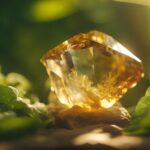
Cinnabar, a vibrant red crystal, embodies significant metaphysical properties and healing benefits. It primarily resonates with the sacral chakra, enhancing creativity, emotional stability, and sensuality while supporting personal growth. Cinnabar is linked to the zodiac signs of Scorpio and Aries, amplifying passion, motivation, and transformative energy for these signs. Its powerful attributes aid in emotional healing, immunity, and grounding, while it is essential to handle it with care due to its mercury content. This striking stone is also a favored choice for ritual practices and crystal combinations. More insights await on the unique uses and safety surrounding this enchanting crystal.
Key Takeaways
- Cinnabar, a mercury sulfide mineral, is known for its vibrant red color and historical significance in various cultures, especially in China.
- It is associated with the sacral chakra, enhancing creativity, passion, and emotional healing while promoting stability and grounding.
- Cinnabar supports sexual health, aids in emotional stability, and boosts immune function, making it a powerful tool for holistic healing.
- It pairs well with crystals like Carnelian and Clear Quartz to amplify creativity and intention-setting in rituals and meditative practices.
Crystal Overview and Meaning
Cinnabar, often recognized for its striking red hue, is a unique crystal that embodies transformative energies and serves as a powerful tool for self-discovery and creative expression. Known scientifically as Cinnabarite, this mercury sulfide mineral has been revered throughout history, with its name deriving from a Persian term meaning 'dragon's blood,' reflecting both its vibrant appearance and cultural significance.
The Cinnabar stone is characterized by its low hardness of 2-2.5 on the Mohs scale, making it relatively soft and often found in volcanic regions, particularly around hot springs. Its formation typically occurs in tabular and rhombohedral shapes, drawing attention for its aesthetic beauty and energetic properties.
This crystal is particularly associated with the sacral chakra, which is linked to creativity, passion, and manifestation. Those who seek to harness the energies of the Cinnabar stone often find that it stimulates their artistic abilities and enhances their liveliness, allowing for a deeper connection with their inner selves.
While the transformative qualities of Cinnabar are appealing, it is essential to approach this crystal with caution. Due to its high mercury content, prolonged exposure can pose health risks. As a result, it is crucial to wash hands after handling the stone and to keep it safely stored to avoid any potential hazards. By understanding the Cinnabar stone's properties and meanings, individuals can engage with this powerful crystal safely and purposefully.
Cinnabar's Healing and Chakra Benefits
Cinnabar, with its vibrant vermilion hue, embodies powerful therapeutic qualities that resonate deeply with the Sacral Chakra, enhancing creativity and emotional equilibrium. This crystal not only aids in physical healing and energy but also facilitates the release of buried emotions, promoting overall emotional stability. By incorporating Cinnabar into rituals and practices, individuals can harness its grounding properties and enhance their connection to ancestral wisdom.
Vermilion's Mineral Counterpart
Embodying the vibrant essence of vermilion, Cinnabar serves as a powerful mineral that enhances energy and fosters emotional healing through its deep connection to the sacral chakra. This striking red stone is revered for its healing properties, particularly in stimulating life force energy and promoting emotional balance. By resonating with creativity and passion, Cinnabar is a favored ally for artists and individuals seeking to access their creative potential.
Furthermore, Cinnabar assists in releasing buried emotions, such as resentment and anger, which can hinder personal growth. This emotional cleansing promotes improved decision-making and enhances overall well-being. Its historical significance in alchemy and traditional medicine highlights its role in prosperity, fertility, and health-related concerns.
| Aspect | Benefits | Chakra Connection |
|---|---|---|
| Emotional Healing | Releases buried emotions, fosters balance | Sacral Chakra |
| Creativity | Enhances artistic expression and passion | Sacral Chakra |
| Vitality | Stimulates life force energy | Root and Sacral Chakra |
| Transformation | Supports personal growth and manifestation | Sacral Chakra |
Cinnabar's transformative properties make it a significant tool for those seeking holistic healing and empowerment.
Therapeutic Qualities of Cinnabar
Building upon its vibrant connection to creativity and emotional healing, Cinnabar is recognized for its remarkable therapeutic qualities, particularly in enhancing physical well-being and balancing the energetic body through its association with the root and sacral chakras. Cinnabar has been used in holistic practices to promote stability and grounding, fostering a sense of security and connection with oneself.
Cinnabar's healing properties extend to various aspects of emotional and physical health, including:
- Enhancing sexual health and addressing infertility issues.
- Supporting digestive health and boosting immune function.
The crystal is believed to stimulate life force energy, fostering overall liveliness and alleviating physical discomfort. Additionally, Cinnabar serves as a bridge to ancestral memories, aiding in the transformation of buried emotions such as resentment and anger. By integrating Cinnabar into your wellness practices, you can harness its potent energies for both physical and emotional balance while ensuring a holistic approach to your healing journey. Embracing Cinnabar may empower you to navigate life's challenges with renewed strength and clarity.
Applying Cinnabar in Rituals
Cinnabar serves as a powerful ally in rituals, harnessing its unique properties to enhance creativity, grounding, and emotional healing while facilitating deeper connections to one's intentions and desires. This vibrant Cinnabar crystal resonates with the Sacral and Root Chakras, promoting a balance of sensuality and stability during spiritual practices.
Incorporating Cinnabar in meditation rituals can stimulate life force energy, aiding emotional healing and fostering self-acceptance. Its energy enhances motivation and determination, making it an excellent choice for setting intentions and manifesting personal goals. The Cinnabar crystal is particularly effective in rituals focused on wealth and prosperity, amplifying intentions to attract abundance, reflecting its historical role as the 'Merchant Stone.'
Moreover, Cinnabar is believed to provide protection against negative energies and psychic attacks, creating a safe and nurturing space for spiritual work. When utilized mindfully, this stone can guide practitioners through transformative experiences, allowing for profound insights and personal growth. Embrace the power of Cinnabar in your rituals to foster harmony and alignment with your true desires, ensuring a holistic approach to your spiritual journey.
Using Saltwater Immersion
Saltwater immersion, while a popular cleansing method for many crystals, is not suitable for Cinnabar due to its toxic mercury content, necessitating alternative approaches for maintaining its healing properties. The presence of mercury in Cinnabar ore poses risks not only to the integrity of the crystal but also to the health of users. To cleanse Cinnabar safely, brown rice is an effective alternative; it absorbs negativity without compromising the crystal's vibrant energy.
Cinnabar is closely associated with the root and sacral chakras, enhancing grounding and creative energies, which makes its proper maintenance crucial for spiritual practice. Cleansing techniques that prioritize safety can still allow one to harness the metaphysical properties of Cinnabar, such as promoting liveliness and manifestation.
After cleansing with brown rice, users may engage in visualization techniques to align the crystal's energy with their intentions for spiritual growth. This mindful approach guarantees that the benefits of Cinnabar are fully realized without the hazards associated with saltwater immersion, allowing for a holistic experience that respects both the crystal and the user's well-being.
Ideal Crystal Combinations

Pairing Cinnabar with complementary crystals can enhance its unique properties, fostering a harmonious balance of energy and intention for various personal and spiritual pursuits. The ideal crystal combinations featuring Cinnabar allow individuals to tap into deeper levels of motivation, creativity, and protection.
One effective pairing is Cinnabar with Carnelian, which amplifies the drive for creative expression and passionate pursuits. This combination energizes the spirit, making it especially beneficial for artistic endeavors. For those focused on manifestation and clarity, combining Cinnabar with Clear Quartz creates a powerful synergy, amplifying Cinnabar's healing properties and supporting intention-setting.
To address negative energies while promoting personal empowerment, consider pairing Cinnabar with Black Tourmaline. This duo not only shields against negativity but also encourages transformation and resilience. For emotional healing, blending Cinnabar with Amethyst can provide a soothing balance, calming the intensity of Cinnabar's energy and fostering spiritual growth.
Lastly, for individuals seeking to enhance their financial prospects, the combination of Cinnabar and Citrine can be particularly effective. Together, these crystals attract prosperity and success, drawing on their shared financial benefits.
Ultimately, these ideal crystal combinations serve to enrich the experience of working with Cinnabar, creating a holistic approach that aligns with personal intentions while ensuring a safe and supportive environment for growth. By thoughtfully selecting these pairings, individuals can maximize the transformative potential of Cinnabar in their lives.
Zodiac Sign Associations
Cinnabar is intricately linked to the zodiac signs of Scorpio and Aries, enhancing their innate qualities of passion and determination. As a birthstone for these signs, Cinnabar not only fosters creativity and emotional strength but also aligns with the fire element, further igniting their dynamic energy. This connection underscores Cinnabar's role in attracting prosperity and nurturing leadership within those born under these powerful signs.
Zodiac Signs Linked to Cinnabar

Linked to the passionate and transformative energies of Scorpio and Aries, Cinnabar serves as a powerful crystal that enhances the inherent qualities of these zodiac signs. As a stone that can help individuals navigate their emotional landscapes, Cinnabar resonates deeply with Scorpio's transformative nature, promoting personal growth and self-discovery. This crystal aids Scorpios in accessing their intuitive abilities, allowing them to explore emotional depths and gain profound insights into their experiences.
For Aries, known for their boldness and adventurous spirit, Cinnabar offers energizing properties that encourage courage and motivation. Its vibrant red hue aligns harmoniously with Aries' dynamic energy, supporting their action-oriented approach to life. By incorporating Cinnabar into their daily practices, Aries individuals can harness its qualities to bolster their determination and drive.
Together, these zodiac signs can benefit greatly from Cinnabar's unique attributes, fostering a sense of empowerment and resilience. By understanding the connection between Cinnabar and their zodiac signs, individuals can utilize this stone to enhance their journeys toward emotional balance and personal fulfillment, ensuring a holistic approach to their well-being.
Cinnabar's Zodiac Birthstone Connection

The connection between Cinnabar and the zodiac signs of Scorpio and Aries extends beyond mere association, as it serves as a powerful birthstone that amplifies the intrinsic qualities of these signs. The vibrant red hue of Cinnabar resonates deeply with the passionate and determined nature of Scorpios, fostering emotional healing and aiding in the release of repressed feelings. This transformative energy encourages Scorpios to embrace their emotional depth, leading to personal growth and resilience.
For Aries, Cinnabar functions as an empowering motivational stone. It enhances confidence and encourages the pursuit of goals with unwavering determination. This birthstone aligns with the fiery spirit of Aries, promoting dynamism and courage in their endeavors.
Both zodiac signs are encouraged to incorporate Cinnabar into their meditation practices. By doing so, they can align with their personal destinies and strengthen their intuitive abilities. As a holistic tool, Cinnabar not only nurtures the unique attributes of Scorpio and Aries but also offers a sense of safety and empowerment, allowing individuals to connect with their true selves. Embracing Cinnabar can lead to a harmonious balance of emotional and physical energies for those born under these zodiac signs.
Fire Element Association
Embodying the essence of the Fire element, Cinnabar serves as a significant ally for those born under the zodiac signs of Aries, Leo, and Sagittarius, enhancing their inherent qualities of passion and leadership. This vibrant stone resonates with the dynamic characteristics of fire signs, promoting liveliness, creativity, and motivation in their pursuits.
Cinnabar's striking red hue reflects the fiery nature of these signs, empowering them to harness their natural attributes effectively. For Aries, Cinnabar amplifies their pioneering spirit, encouraging bold actions and decisions. For Leos, it enhances their natural charisma and creativity, fostering artistic endeavors and inspiring others. Meanwhile, Sagittarius individuals benefit from Cinnabar's properties by solidifying their adventurous pursuits and encouraging philosophical exploration.
Moreover, this powerful stone aids fire signs in maintaining balance and protection against negative energies, promoting emotional and spiritual well-being. By incorporating Cinnabar into their lives, individuals can cultivate a deeper connection to their fiery essence, ensuring that their passionate pursuits are grounded and focused. In this way, Cinnabar not only supports their ambitions but also nurtures their safety and emotional health.
Crystal Facts and History

Cinnabar's rich history is woven into the fabric of ancient cultures, particularly in China, where it was revered for both its vibrant hue and its metaphysical properties. Artifacts featuring Cinnabar have been discovered, showcasing its use in decorative arts and spiritual practices throughout history. Additionally, notable figures have harnessed its unique characteristics, further solidifying its significance in both artistic and cultural domains.
Historical Cinnabar Artifacts
Throughout history, the vibrant hue and unique properties of cinnabar have captivated civilizations, leading to its prominent use in art, decoration, and ritual practices across various cultures. Historical cinnabar artifacts reveal its multifaceted applications, from pigments in artwork to ceremonial objects.
Cinnabar was widely used in ancient Rome, Persia, and China, where it was known as vermilion. Its rich red color adorned decorative items and traditional cosmetics, despite its toxicity, showcasing a complex relationship between beauty and safety in ancient societies. In royal Maya burial practices around 600-700 AD, cinnabar was placed within tombs to symbolize the shift to the afterlife, reflecting its significant cultural role.
The extraction of mercury from cinnabar by ancient Arabian and Chinese alchemists underscores its importance in early scientific endeavors. The name 'Cinnabar,' derived from the Persian term meaning 'dragon's blood,' highlights its mythical associations and enduring allure.
| Culture | Use of Cinnabar |
|---|---|
| Ancient Rome | Pigment in art and decoration |
| Maya Civilization | Burial practices symbolizing the afterlife |
| Persian Culture | Decorative items and cosmetics |
Cinnabar in Ancient Chinese Culture
In ancient Chinese culture, the vibrant red hue of cinnabar symbolized not only beauty but also prosperity and spiritual significance, permeating various aspects of life, from art to ritual practices. Highly valued for its striking color, cinnabar was believed to attract wealth, making it a popular choice in feng shui practices aimed at enhancing abundance and success.
Chinese alchemists extensively utilized cinnabar, working to extract mercury for medicinal elixirs and transformative processes. Its powdered form held a crucial role in royal burial customs, where it was placed in tombs as a protective symbol of power in the afterlife. This connection to spiritual domains further emphasized its importance in rituals designed to guarantee safe passage and divine favor.
Moreover, the use of cinnabar as a pigment in traditional Chinese art dates back thousands of years, illustrating its aesthetic appeal alongside its cultural significance. In Taoist practices, cinnabar embodies transformation and manifestation, believed to enhance spiritual growth and align practitioners with the earth's energies. The multifaceted roles of cinnabar in ancient China reflect a harmonious blend of beauty, functionality, and deep-seated spiritual beliefs.
Notable Historical Figures' Usage
The historical significance of cinnabar is underscored by its utilization among notable figures, who harnessed its striking properties for artistic expression, alchemical experimentation, and spiritual practices across diverse cultures. Cinnabar has been used since ancient times, particularly by Arabian and Chinese alchemists who extracted mercury from it, showcasing its multifaceted applications in both medicinal and industrial domains.
In the Maya civilization, cinnabar was revered for its spiritual power, often used in royal burial practices around 600-700 AD, emphasizing its profound cultural importance. Artists across civilizations, including those in Rome and China, used cinnabar as a pigment, particularly as vermillion paint, to create vibrant works of art.
Despite its known toxicity, cinnabar was frequently used in cosmetics and decorative items, reflecting a complex relationship between its aesthetic allure and health risks. Notable historical figures understood both its creative potential and its dangers, which calls for a modern appreciation of cinnabar's beauty while prioritizing safety. Today, while recognizing its historical uses, it is essential to approach cinnabar with caution, ensuring the risks associated with its toxicity are acknowledged and respected.
Cinnabar's Role in Alchemy

Cinnabar's significance in alchemy is deeply rooted in its mercury-rich composition and striking vermilion hue, which symbolize transformation and energy. This mineral has captivated alchemists across cultures, who recognized its potential in both physical transmutation and spiritual enlightenment. Understanding the various forms and textures of Cinnabar enhances our appreciation of its role as a powerful catalyst in the alchemical process.
Mercury-Rich Deposits Worldwide
Mercury-rich deposits of cinnabar have historically captivated alchemists and scientists alike, serving as an essential source for extracting the element mercury while also embodying transformative properties in various ancient practices. Cinnabar, primarily composed of mercury sulfide, is known for its striking red coloration and crystalline structure, which often forms in volcanic regions and hot springs.
Notably, Almaden in Spain remains one of the most significant historical deposits, producing over 250,000 metric tons of mercury over two millennia. This mineral was particularly valued by ancient Arabian and Chinese alchemists for its perceived ability to facilitate transformation and extraction processes.
However, the high mercury content in cinnabar poses considerable health risks, necessitating stringent safety regulations. Mining operations in Europe have been prohibited since 2002 to mitigate these dangers. Today, considerable cinnabar deposits are still found in countries like China, Peru, the Philippines, and Mexico, where they are examined for both industrial applications and metaphysical significance. As awareness of safety and health implications grows, the focus remains on responsible handling and exploration of these remarkable deposits.
Mercury Content Analysis
Central to alchemical practices, the mercury content in cinnabar has long been revered for its potent transformative properties, symbolizing both creation and destruction in the quest for knowledge and immortality. Cinnabar's primary composition of mercury sulfide (HgS) allows for a mercury content analysis that reveals it can contain up to 86% mercury by weight. This high concentration contributed to its historical significance, particularly in the production of vermilion, a pigment valued in art and decoration.
The role of cinnabar in alchemy can be understood through several key points:
- Transformative Symbolism: Cinnabar reflects the duality of creation and destruction, a core theme in alchemical thought.
- Medicinal Uses: Ancient alchemists regarded cinnabar as a means to produce elixirs that could facilitate physical and spiritual transformations.
Cinnabar's Vibrant Vermilion Hue
The vibrant vermilion hue of this unique mineral has captivated artists and alchemists alike, serving as a powerful symbol of transformation and creativity throughout history. Cinnabar, primarily composed of mercury sulfide, holds a dual significance within alchemical practices. Its striking red color not only enhances artistic expression but is also believed to resonate with life force energy, invigorating the spirit and inspiring passion in creative endeavors.
Historically, alchemists recognized cinnabar for its transformative properties, linking its vivid hue to the duality of life—creation and destruction. While its association with mercury brings forth a sense of energy, it also carries a cautionary note due to its toxicity. This juxtaposition encourages practitioners to approach cinnabar with respect and mindfulness, harnessing its energetic benefits while prioritizing safety.
In the domain of alchemy, the bright red pigment has been used not only in art but also as a representation of the quest for enlightenment and self-discovery. By working with cinnabar, individuals can tap into its vibrant energy to enhance their creative pursuits, making it a treasured mineral in both artistic and spiritual practices.
Forms and Textures
Cinnabar's diverse forms and textures not only enhance its visual allure but also play an important role in its application within alchemical practices, reflecting the mineral's multifaceted nature and significance in transformation. The deep red hue of Cinnabar, often likened to vermilion, has historically symbolized vigor and energetic transformation, making it a sought-after substance in alchemy.
In its various manifestations, Cinnabar is employed for its specific qualities:
- Crystalline Structure: The unique arrangement of its crystals is believed to amplify its transformative properties, fostering spiritual growth.
- Pigment Creation: Cinnabar's high mercury content has allowed it to be used in creating vibrant pigments, linking both artistic and metaphysical domains.
These forms and textures not only elevate Cinnabar's aesthetic appeal but also encapsulate its profound role in the pursuit of personal power and the transmutation of the self, aligning with the holistic principles of alchemy.
Cinnabar Quality and Pricing

The quality of Cinnabar is primarily determined by its vibrant color variations and clarity, which directly influence its market value. Prices for Cinnabar jewelry can vary greatly, reflecting the craftsmanship and design intricacies involved, particularly in traditional Chinese adornments. Understanding these factors is essential for buyers to make informed decisions in a market that values both aesthetic appeal and historical significance.
Pricey Color Variations and Forms
How do variations in color and form influence the pricing of Cinnabar, making certain pieces considerably more valuable than others? The pricing of Cinnabar is greatly impacted by its color intensity and form. Vibrant red Cinnabar, often deemed the most desirable, commands a premium, while duller hues such as brown or gray are typically less expensive. Additionally, the craftsmanship involved in creating polished stones or intricate jewelry pieces further affects their value.
| Cinnabar Type | Price Range |
|---|---|
| Raw Crystals | $10 – $50 |
| Polished Stones | $20 – $100 |
| Simple Jewelry | $20 – $80 |
| Intricate Jewelry | $80 – $200+ |
| High-Quality Authentic | $200+ |
Authenticity plays a vital role; pieces with minimal exposure to toxins are increasingly rare and command higher prices because of their unique qualities and the safety measures necessary for handling. As consumers prioritize safety and quality, understanding these pricey color variations becomes essential in making informed purchasing decisions.
Cinnabar Pricing and Market Trends
Pricing trends for Cinnabar are heavily influenced by quality factors, including color intensity, craftsmanship, and the presence of toxic elements, which together shape market demand and value. High-quality Cinnabar pieces can command prices ranging from $50 to $200 per carat, reflecting their rarity and the skill involved in their creation. Jewelry made from Cinnabar typically spans from $20 for simpler designs to over $300 for intricate pieces featuring larger stones.
The market for Cinnabar has experienced increased demand due to its metaphysical properties and aesthetic appeal, contributing to fluctuations in availability and pricing. However, the growing awareness of Cinnabar's toxicity, particularly concerning its mercury content, has led some consumers to seek safer alternatives in the crystal and jewelry market. This shift may affect Cinnabar pricing, as collectors and enthusiasts become more discerning about the quality and safety of their purchases.
Moreover, the rarity of high-quality Cinnabar without significant toxic elements elevates its value among collectors. As the market evolves, understanding these dynamics will be essential for consumers wishing to make informed and safe choices in their Cinnabar purchases.
Worn in Traditional Chinese Adornments
Historically, Cinnabar has played a significant role in traditional Chinese adornments, where its vibrant red hue and intricate craftsmanship are not only prized for their aesthetic appeal but also for their symbolism of wealth and protection. Often used in jewelry and decorative pieces, Cinnabar embodies deep cultural significance, believed to enhance luck and prosperity through feng shui practices.
The quality of Cinnabar jewelry can vary considerably, with high-quality items showcasing a deep, bright red color and meticulous detailing. Simpler designs may start around $10, making them accessible to many, while more elaborate pieces can command prices exceeding $100, reflecting their craftsmanship and size.
As demand for authentic Cinnabar rises, both traditional and contemporary designs continue to captivate collectors and enthusiasts alike. It is vital for consumers to seek reputable sources to guarantee they are acquiring genuine Cinnabar, as the market is flooded with imitations. Investing in Cinnabar not only enriches one's adornments but also connects the wearer to a rich heritage of symbolism, safety, and positivity, making it a cherished addition to any collection.
Frequently Asked Questions
What Are the Healing Properties of Cinnabar?
Cinnabar is renowned for its detoxification properties, facilitating the elimination of toxins from the body. It is believed to enhance physical healing, particularly in areas related to sexual health and immune support. This crystal is also associated with emotional healing, promoting self-confidence and improved decision-making. By fostering a connection to ancestral memories, Cinnabar aids stability and encourages the release of repressed emotions, contributing to a holistic sense of well-being and energy.
What Is the Zodiac Sign for Cinnabar?
Cinnabar is primarily associated with the zodiac sign Scorpio. This connection underscores the inherent qualities of Scorpio, such as intensity, passion, and transformation. Regarding zodiac compatibility, Cinnabar can enhance the natural attributes of Scorpio individuals, supporting their ambitions and emotional resilience. For those seeking a holistic approach to personal growth, Cinnabar serves as a powerful ally, fostering deeper self-acceptance and aiding in traversing the complexities of their emotional landscape.
What Are the Special Properties of Cinnabar?
Cinnabar possesses unique properties due to its elemental composition, primarily consisting of mercury sulfide. This vibrant red mineral, while aesthetically pleasing, is also significantly toxic; caution is essential when handling it to prevent prolonged exposure. Cinnabar is celebrated for its potential to enhance creativity and motivation, as well as to promote grounding and stability. However, it is vital to prioritize safety and awareness of its toxic nature when exploring its benefits.
What Is Cinnabar Stone Used For?
Cinnabar applications span various domains, primarily focusing on its motivational and transformative qualities. This vibrant stone is utilized in personal development practices, enhancing determination and goal achievement. In holistic healing, it is believed to improve circulation and support digestive health. Additionally, Cinnabar is employed in feng shui to attract wealth and prosperity, while also serving as a protective talisman against negative energies, ensuring a safe and prosperous environment for individuals seeking balance and success.