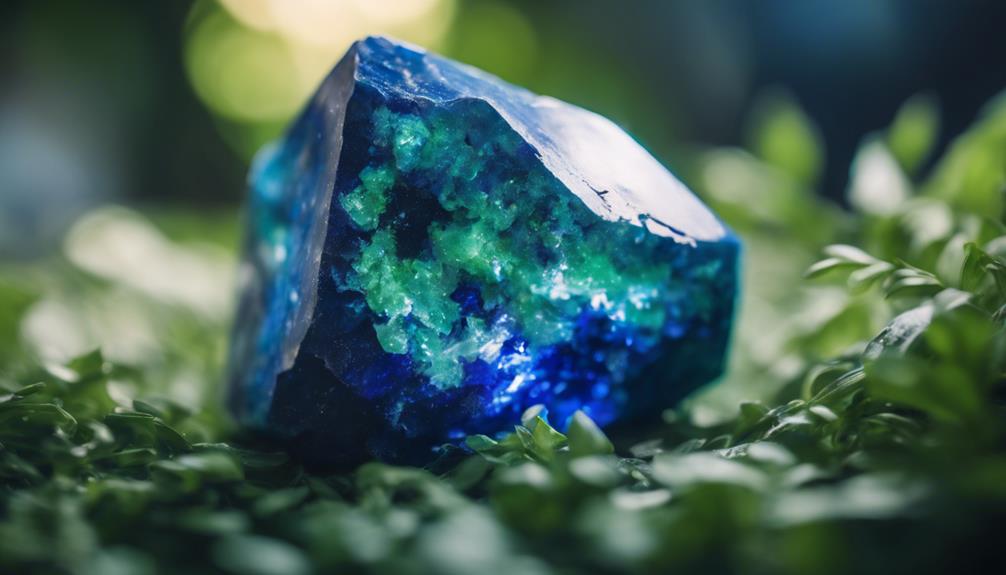
Azurite, often referred to as the 'Stone of Heaven,' is renowned for its striking deep blue hue and rich historical significance. This crystal is celebrated for its healing properties, particularly in promoting emotional balance, clarity of thought, and enhanced self-expression. It resonates closely with the Third Eye and Throat Chakras, making it a valuable tool for spiritual practitioners. Azurite benefits various zodiac signs, particularly Sagittarius, Aquarius, Taurus, and Capricorn, fostering growth and intuition. Its transformative energy, especially when paired with complementary crystals like Malachite, enhances its efficacy. Explore further to uncover the intricacies of this extraordinary mineral and its diverse applications.
Key Takeaways
- Azurite, known as the 'Stone of Heaven,' enhances emotional balance, clarity, and self-expression while promoting relaxation and alleviating anxiety.
- This crystal resonates with the Third Eye and Throat Chakras, aiding in intuition, insight, and effective communication.
- Azurite is linked to Sagittarius and benefits Aquarians, Tauruses, and Capricorns, enhancing emotional expression and spiritual growth.
- Complementary stones like Malachite provide grounding stability, while Shattuckite and Citrine enhance psychic powers and spiritual connections.
Crystal Overview and Meaning
Azurite, often referred to as the 'Stone of Heaven,' is a fascinating deep indigo blue crystal renowned for its striking beauty and profound spiritual significance. Composed primarily of copper carbonate hydroxide, Azurite boasts a delicate, porous structure that enhances its vibrant hue, often found alongside Malachite. Historically, this enchanting stone has been treasured by ancient civilizations, including the Egyptians and Native Americans, for both its aesthetic appeal and its cultural importance.
The healing properties of Azurite are deeply connected to its resonance with the Third Eye Chakra, a crucial energy center associated with intuition and insight. This crystal is believed to enhance psychic abilities and facilitate a stronger spiritual connection, allowing individuals to tap into their inner wisdom and clarity. By activating the Third Eye Chakra, Azurite encourages a profound understanding of oneself and the universe, promoting mental clarity and reflection.
In addition to its association with the Third Eye, Azurite also complements the Heart and Throat Chakras, fostering open communication and self-expression. Individuals born under the zodiac signs of Taurus, Capricorn, and Sagittarius may find particular benefit from its energies, as it nurtures their emotional balance and spiritual nourishment. Overall, Azurite serves as a powerful ally for those seeking to deepen their spiritual journey while ensuring a sense of safety and grounding. Its captivating presence and healing properties make it a sought-after crystal for both collectors and those on a path of personal growth.
Emotional Balance and Clarity
Azurite serves as a powerful ally in achieving emotional balance and clarity, particularly when paired with its companion stone, Malachite. This crystal not only facilitates emotional healing but also enhances the energy flow through the Third Eye and Throat Chakras, promoting self-expression and the articulation of inner truth. By incorporating Azurite in meditation practices and utilizing sound vibrations, individuals can harness its calming properties to foster a deeper understanding of their emotions and release negativity.
Malachite's Companion Stone
The combination of Azurite and Malachite serves as a powerful ally in achieving emotional balance and mental clarity, effectively harmonizing the deep emotional insights of Azurite with the grounding stability of Malachite. This dynamic duo works synergistically to foster emotional healing, making it an ideal choice for individuals seeking to navigate complex feelings and achieve inner peace.
Azurite, with its rich blue tones, cleanses and stimulates the throat chakra and third eye, facilitating clear communication and enhanced self-expression. Meanwhile, the vibrant green of Malachite acts as a stabilizing force, grounding the emotions released during this process and providing a sense of security. This harmonious interplay between the two stones not only releases negative energy but also promotes emotional resilience, ensuring a balanced approach to challenges.
Incorporating Azurite and Malachite into meditation practices or wearing them as jewelry amplifies their healing effects, encouraging a profound connection to one's emotional landscape. Together, they illuminate the path toward clarity and stability, empowering individuals to embrace their feelings safely while fostering a deeper understanding of themselves.
Emotional Healing and Clarity
Emotional healing and clarity are essential components of personal growth, and Azurite plays a pivotal role in facilitating this transformative journey by alleviating anxiety and promoting relaxation. This enchanting crystal serves as an emotional cleanser, calming the mind and reducing scattered thoughts, which fosters a balanced mindset.
Key benefits of Azurite include:
- Enhanced Clarity: It aids in organizing thoughts and emotions, allowing individuals to navigate their feelings with ease.
- Self-Assertion: Azurite empowers users to overcome people-pleasing tendencies, encouraging authentic self-expression through its connection to the Throat Chakra.
In addition to its emotional benefits, Azurite connects with the Heart Chakra, supporting emotional balance and compassion. This dual connection encourages a holistic approach to emotional healing, allowing one to face fears with inner strength. By integrating Azurite into your life, you can begin a journey toward greater emotional clarity and resilience, ensuring a safe and nurturing space for personal transformation.
Applying Azurite in Meditation
Incorporating Azurite into meditation practices greatly enhances emotional balance and clarity, fostering a serene environment conducive to introspection and personal growth. This deep blue crystal is known for its ability to calm the mind, reducing anxiety and allowing for deeper emotional healing. When held or carried during meditation, Azurite creates a space where thoughts can settle, facilitating profound reflection.
Placing Azurite on the third eye chakra is particularly beneficial, as it helps unblock spiritual energy, promoting enhanced visualization and vivid dreams. This connection to higher consciousness stimulates intuition and psychic abilities, enabling practitioners to access inner wisdom and clarity.
For those seeking additional support, combining Azurite with Selenite during meditation can purify energy centers, reinforcing emotional clarity and balance throughout the session. As you engage with Azurite, envision its calming energy enveloping you, creating a protective barrier against external distractions. With consistent practice, Azurite serves as a powerful ally in your journey towards emotional healing and personal growth, guiding you toward a more balanced and fulfilling life.
Using Sound Vibrations
Sound vibrations serve as a powerful tool for enhancing the healing properties of Azurite, promoting balance and clarity within the emotional landscape during meditation and other spiritual practices. When combined with Azurite, sound healing techniques—such as Tibetan singing bowls or chimes—can amplify its calming energy, facilitating deeper emotional releases. This synergy particularly aids in activating the Throat Chakra, enhancing self-expression and communication.
The table below summarizes the interplay between sound vibrations and Azurite for emotional healing:
| Aspect | Benefit |
|---|---|
| Emotional Balance | Reduces anxiety and promotes relaxation |
| Spiritual Insight | Enhances intuitive abilities and clarity |
| Self-Expression | Improves communication and vocal resonance |
Regularly incorporating sound frequencies with Azurite can clear mental blockages, fostering a harmonious environment conducive to emotional healing. As practitioners engage with these vibrations, they invite a transformative experience that nurtures both the heart and mind. Consequently, utilizing sound vibrations alongside Azurite not only enhances the crystal's properties but also deepens the journey toward emotional clarity and spiritual insight.
Complementary Crystals for Azurite
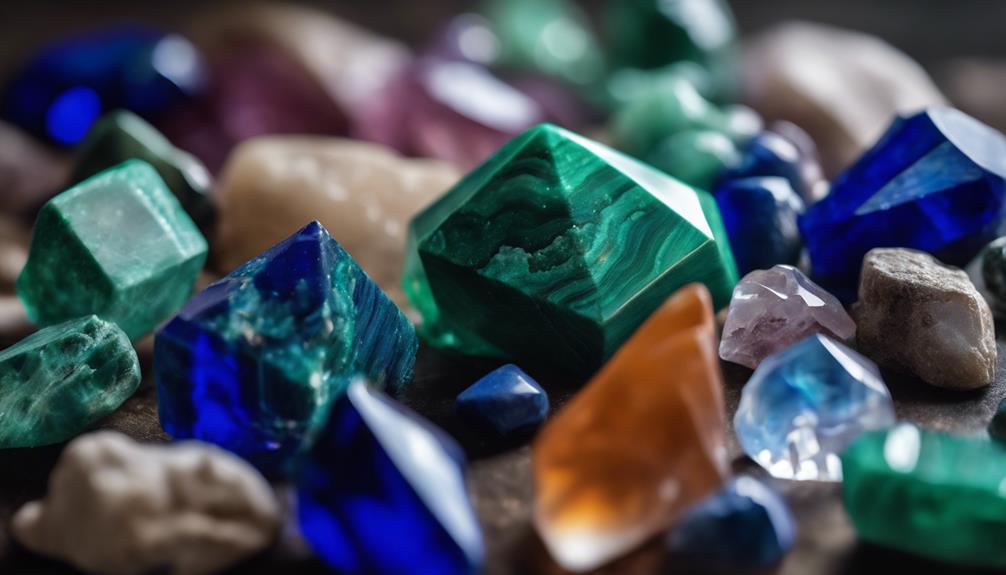
Complementary crystals for Azurite serve to enhance its unique properties, fostering deeper spiritual connections and amplifying psychic abilities during meditation and healing practices. Among the most powerful companions is Shattuckite, which not only enhances psychic powers but also facilitates spiritual communication, making it invaluable for those seeking profound insights during meditative states.
Citrine, known for its vibrant energy, works effectively with Azurite by stimulating the brow chakra. This synergy improves intuition and amplifies psychic gifts, aiding users in achieving clarity within their spiritual endeavors. Similarly, Topaz can further elevate these abilities, strengthening spiritual connections and enhancing overall intuition during meditation.
For emotional healing, Malachite complements Azurite by assisting in the release of negative energies while providing protection against psychic attacks. This combination creates a safe and balanced environment, essential for emotional healing and personal growth.
Additionally, Danburite and Phenacite are excellent partners for Azurite, as they help shatter psychic blocks and facilitate out-of-body experiences. Together, these crystals enhance the overall spiritual journey and exploration, allowing for a more profound connection with one's higher self.
Incorporating these complementary crystals with Azurite can considerably enrich one's spiritual practices, promoting a harmonious blend of protection, clarity, and emotional well-being, ensuring a safe and transformative experience.
Zodiac Compatibility With Azurite
Azurite is intricately linked to specific zodiac signs, particularly Sagittarius, which benefits from enhanced mental clarity and self-reflection. Additionally, its properties resonate well with Aquarians, Tauruses, and Capricorns, promoting emotional balance and resilience. As a water element stone, Azurite also complements the intuitive nature of various zodiac signs, making it a versatile ally in spiritual growth and communication.
Zodiac Signs Linked to Azurite

The vibrant energy of Azurite resonates particularly well with the zodiac signs Sagittarius, Taurus, and Capricorn, enhancing their intuitive and communicative abilities. For Sagittarians, Azurite meaning is tied to promoting mental clarity and reflection, which aids in focusing their energetic pursuits and cultivating patience. This stone acts as a guiding light for those born under this sign, assisting them in their quest for spiritual development.
Taurus individuals benefit from Azurite's healing properties, as it encourages emotional expression and stability, aligning seamlessly with their practical nature. This connection helps them navigate the complexities of their feelings while remaining grounded.
Capricorns, on the other hand, find that Azurite strengthens their spiritual connections, fostering personal growth through self-reflection and creativity. The crystal's energy encourages them to explore their inner depths, facilitating a deeper understanding of their life's purpose.
Associated Zodiac Birthstones

Associated with various zodiac signs, Azurite harmonizes beautifully with specific birthstones that amplify its healing properties and enhance the spiritual journey of individuals born under these signs. For Sagittarians, Azurite pairs seamlessly with turquoise, a stone that supports reflection and patience, fostering a deeper quest for knowledge and personal growth. Taurus individuals may find that Azurite complements rose quartz, promoting self-assertiveness while helping to mitigate their stubborn tendencies, thereby encouraging emotional openness.
Capricorns benefit from the synergy of Azurite and garnet, as these stones work together to improve communication and emotional expression, aligning with Capricorn's practical approach to life. Aquarians can enhance their unique perspective and emotional healing through the combination of Azurite and amethyst, providing balance in steering through emotional situations.
These associations not only empower the respective zodiac signs but also serve to deepen spiritual insight, allowing individuals to embrace their true selves while fostering personal growth. By integrating these birthstones with Azurite, one can harness its profound healing properties, paving the way for a more harmonious and enlightened existence.
Associated Element: Water
Embodying the core of the Water element, Azurite serves as a profound ally for those born under the intuitive and emotionally rich zodiac signs of Cancer, Scorpio, and Pisces. This crystal resonates deeply with the fluidity and depth of emotions characteristic of these signs, enhancing their natural abilities to navigate life's emotional complexities.
Azurite's healing properties are particularly beneficial for Water signs, offering support in emotional cleansing and fostering a sense of tranquility. By calming anxiety and promoting emotional balance, Azurite enables individuals to process their intense feelings more effectively, creating a safe space for self-exploration. This crystal not only soothes turbulent emotions but also stimulates intuition, empowering Water signs to tap into their psychic abilities and spiritual awareness.
As a tool for transformation, Azurite reinforces the inherent strengths of Cancer, Scorpio, and Pisces, guiding them on their emotional journeys. The connection to the Water element enriches their experiences, allowing them to embrace their emotional depth while remaining grounded. In principle, Azurite is an invaluable companion for those seeking healing and clarity within the ebb and flow of their emotional landscapes.
Crystal Facts and History

Azurite has played a significant role in history, particularly as a pigment in ancient artifacts that showcased its vibrant blue hue. Notable examples include its use in Ancient Egyptian art, where it symbolized spiritual power and was often associated with divine knowledge. Additionally, historical figures have recognized Azurite's value, contributing to its enduring legacy in both art and culture.
Notable Historical Artifacts Featuring Azurite
Throughout history, the striking blue hue of azurite has captivated various civilizations, leading to its incorporation into notable artifacts that reflect both artistic expression and spiritual significance. In ancient Egypt, azurite was not merely a beautiful stone; it was revered for its association with spiritual power and was often ground into powder to create blue pigments for tomb paintings, symbolizing the heavens and divine wisdom. Pharaohs adorned themselves with azurite jewelry, combining it with gold to signify their power and connection to the afterlife.
Similarly, Native American cultures embraced azurite as a healing stone, utilizing it in ceremonies to enhance spiritual practices. The stone's deep blue color resonated with their beliefs in its ability to facilitate healing and enhance meditation.
Here are some notable historical artifacts featuring azurite:
| Artifact | Civilization | Significance |
|---|---|---|
| Pharaoh's Jewelry | Ancient Egypt | Symbol of power and spiritual connection |
| Tomb Paintings | Ancient Egypt | Representation of the heavens |
| Ceremonial Stones | Native American | Healing and spiritual practices |
| Pigments in Textiles | Ancient China | Connection to the divine |
| Decorative Artifacts | Various Cultures | Artistic expression |
Ancient Egyptian Azurite Artifacts
The rich historical tapestry of Ancient Egypt reveals a profound connection between azurite and the spiritual, artistic, and cultural practices of the civilization, showcasing its vibrant blue hue in various artifacts and rituals. Azurite was revered not only for its stunning color but also for its perceived healing properties, believed to protect its wearers from harm. The Ancient Egyptians frequently incorporated azurite into amulets and jewelry, especially among royalty and priests, who sought its protective benefits during both life and afterlife.
Archaeological discoveries highlight the significance of azurite artifacts in tombs and temples, where the stone was often used as a pigment for paintings and decorative elements. Its association with the heavens made it a critical component in spiritual practices, as it was thought to facilitate communication with higher domains and deities. The unique chemical composition of azurite, primarily copper carbonate hydroxide, further enhanced its desirability, contributing to trade and commerce in the region. Overall, azurite played an integral role in Ancient Egyptian culture, symbolizing both beauty and the sacred, while embodying the deep spiritual beliefs of its people.
Historical Figures and Azurite
Historical accounts reveal that influential figures across various civilizations embraced azurite for its enchanting beauty and reputed spiritual properties, integrating it into their artistic expressions and rituals. This vibrant blue mineral has held historical significance since Ancient Egypt, where it was revered as both a pigment and an ornamental stone, often associated with the goddess Hathor.
During the Renaissance, artists recognized azurite's rich color derived from its copper content, employing it as a pigment that captured the divine essence of their works. Additionally, in Native American traditions, azurite was integral to spiritual rituals and healing practices, symbolizing wisdom and enhanced communication with the spirit world.
Shamans and clerics historically utilized azurite as a tool for spiritual guidance, believing it to amplify insight and understanding. The gemstone's name, originating from the Persian word for blue, reflects its esteemed role across various cultures as a source of inspiration and enlightenment. Today, azurite continues to be valued not only for its aesthetic qualities but also for the wisdom it represents, serving as a reminder of the cross-cultural appreciation for this remarkable crystal throughout history.
Ancient Azurite Mining Locations

Azurite has been historically significant in various regions around the globe, with prominent mining locations including the USA, Egypt, and Chile. Its unique mineral structure and deep blue hue have made it a sought-after gemstone, often found alongside Malachite in copper deposits. These ancient mining sites not only highlight Azurite's aesthetic appeal but also its cultural importance throughout history.
Global Mining Regions
Valued for its striking blue hue and unique properties, Azurite has been mined since antiquity, with significant ancient mining locations including Egypt and China, where it was revered not only for its beauty but also for its spiritual significance. In Ancient Egypt, Azurite was utilized for ornamental purposes and as a pigment, enhancing the vibrancy of art and artifacts. Similarly, in Ancient China, it was celebrated as the 'Stone of Heaven,' reflecting its esteemed historical use.
Today, key mining regions for Azurite encompass areas rich in copper deposits, such as Chile, the United States—particularly Arizona, New Mexico, and Utah—and Namibia. Here, Azurite is often extracted alongside Malachite, another copper-associated mineral, which enhances its aesthetic appeal. The coexistence of these minerals in copper mines not only enriches the visual landscape but also highlights their metaphysical properties.
While mining practices have evolved over time, the extraction of Azurite remains significant due to its historical roots and contemporary relevance in jewelry and healing practices. Consequently, the allure of Azurite continues to thrive in both the past and present.
Mineral Structure and Formula
What accounts for the striking blue color of this mineral is its complex mineral structure, characterized by the chemical formula Cu3(CO3)2(OH)2, which underscores its unique composition and the geological environments in which it forms. Azurite, a copper carbonate hydroxide, typically crystallizes in a monoclinic system, often exhibiting botryoidal or massive habits. This distinct structure contributes not only to its vibrant blue appearance but also to its formation in specific geological settings.
Historically, azurite has been mined in various locations around the world, including:
- Arizona, New Mexico, and Utah in the USA
- France and Namibia in Europe
These mining sites have played an essential role in the collection and study of azurite, revealing insights into its formation and the surrounding mineralogy. Often found alongside malachite, azurite adds to the beauty and complexity of mineral collections. Understanding its mineral structure not only enriches our appreciation of this intriguing stone but also highlights the importance of safety in handling such natural specimens.
Azurite's Deep Blue Hue
The striking deep blue hue of azurite has captivated civilizations for centuries, leading to its extensive mining in ancient locations renowned for their rich deposits of this vibrant mineral. Found mainly in areas such as Arizona, New Mexico, and Utah, as well as internationally in Chile, Namibia, Egypt, and Peru, azurite is often associated with copper minerals like malachite, as both share similar geological formations.
Historically, the allure of azurite's blue stone was not merely aesthetic; it was extensively utilized in Ancient Egypt as a pigment for artworks and textiles, showcasing its cultural significance. The mineral's deep azure color stems from its unique composition of copper carbonate hydroxide, a process that unfolds over millennia within the earth.
Today, the healing energy of azurite continues to draw attention for its potential therapeutic benefits. Those who seek to harness its properties should appreciate the stone's rich history and vibrant color, reflecting a profound connection to both nature and ancient traditions. As with any natural resource, it is essential to prioritize safety and ethical sourcing practices when exploring the world of azurite.
Different Azurite Crystal Forms
Among the diverse forms of azurite crystals, each unique structure reflects the mineral's rich geological history and the ancient locations where it has been mined. Azurite is often found in aesthetically striking configurations, enhancing its charm for collectors and spiritual practitioners alike. The crystal forms can vary greatly, with notable examples including:
- Rosettes: Flat, flower-like formations that showcase the intricate layering of the mineral.
- Druzy Clusters: Tiny sparkling crystals that blanket the surface of a larger azurite base, creating a brilliant visual effect.
The primary mining locations for azurite include the USA, particularly Arizona and New Mexico, as well as historical sites in Chile, Egypt, Namibia, and Peru. These regions are known for their rich deposits, which have been valued since ancient times. Azurite's healing properties are often linked to its ability to enhance communication and intuition, making it a favored choice for those seeking spiritual growth. Its enchanting forms not only serve as a proof of nature's artistry but also connect us to the mineral's storied past.
Azurite Price Assessment Factors

The price of Azurite is considerably influenced by its quality and rarity, as well as the current market trends that dictate its valuation. High-quality specimens, particularly those incorporated into statement necklaces or jewelry, command premium prices due to their aesthetic appeal and craftsmanship. Additionally, fluctuations in demand, often driven by seasonal events and the popularity of metaphysical properties, further impact the pricing landscape for this enchanting crystal.
Quality and Rarity Factors
Evaluating Azurite's market value necessitates a careful consideration of quality and rarity factors, including color intensity, clarity, and unique formations that can markedly influence pricing. High-quality Azurite specimens, particularly those sourced from renowned locations like Arizona and Namibia, are especially coveted, leading to a significant price premium. Additionally, the size of the specimen plays a critical role; larger pieces, due to their inherent rarity, tend to be more expensive.
The following table highlights key factors that influence Azurite pricing:
| Factor | Impact on Pricing |
|---|---|
| Color Intensity | Higher intensity commands a premium |
| Clarity | Clear specimens are more valuable |
| Unique Formations | Distinct shapes increase desirability |
Azurite's inherent fragility, with a Mohs hardness of 3.5 to 4.0, further complicates its valuation. Careful handling is essential, making well-preserved pieces particularly rare and valuable. Additionally, the historical significance and demand for Azurite as both a pigment and ornamental stone contribute to its pricing structure, ensuring that collectible pieces are often sold at a premium in the market.
Market Trends and Valuation
Market dynamics for Azurite are shaped by a multitude of factors, including the crystal's size, quality, and geographical origin, which collectively contribute to its valuation in the collector and metaphysical communities. Prices for Azurite can vary considerably; smaller specimens may start around $20, while larger, high-quality pieces can exceed $100. The rarity of clean, vibrant blue Azurite without inclusions greatly influences its desirability, making such specimens particularly sought after.
Current market trends reflect a growing interest in healing crystals, with demand often spiking during metaphysical events like the Tucson Gem Show. Collectors are increasingly prioritizing ethical sourcing, leading to higher valuations for Azurite that is responsibly mined and certified. Such transparency not only assures quality but also aligns with consumer values centered around sustainability and safety.
Additionally, Azurite's aesthetic appeal can be enhanced when combined with minerals like Malachite, resulting in unique pieces that attract discerning collectors. As the market continues to evolve, understanding these valuation factors will enable buyers to make informed decisions while ensuring they acquire ethically sourced and high-quality Azurite specimens.
Worn in Statement Necklaces
Statement necklaces featuring Azurite have gained popularity in the jewelry market, thanks to the crystal's striking deep blue hues and unique visual appeal, which are further accentuated by factors such as size, craftsmanship, and the presence of complementary gemstones. The price of Azurite jewelry typically ranges from $50 to $150, influenced by the stone's quality and intricacy of design.
High-quality Azurite pieces, particularly those showcasing unique druzy patterns or paired with stones like Malachite or Chrysocolla, command higher prices. The deep blue color of Azurite, often resulting from copper content, enhances its desirability, as it reflects both beauty and the healing properties associated with this crystal known for promoting emotional balance and clarity.
When considering the purchase of Azurite statement necklaces, buyers should prioritize proper care and maintenance to preserve the vibrant appearance of the jewelry. Additionally, the origin of the stone plays a significant role in pricing; ethically sourced Azurite from reputable suppliers may carry a premium due to fair trade practices, ensuring the well-being of both artisans and the environment.
Frequently Asked Questions
What Zodiac Sign Is Azurite?
Azurite is primarily associated with the zodiac sign Sagittarius, known for its properties that enhance mental clarity and reflection. This striking blue crystal symbolizes deep insight and emotional healing, which resonates with its vibrant color significance. Azurite's zodiac compatibility extends to Aquarians, Taurus, and Capricorn, offering grounding and stability. Ultimately, its properties can aid anyone in achieving emotional balance and spiritual growth, making Azurite a versatile ally in personal development.
What Are the Healing Benefits of Azurite Stone?
The healing benefits of azurite stone are extensive, particularly in enhancing meditation and promoting emotional clarity. This crystal fosters intuitive guidance, allowing users to connect deeply with their inner selves. Additionally, azurite supports spiritual awareness by facilitating communication with higher consciousness, making it invaluable for personal growth. Its calming properties also alleviate anxiety and stress, creating a safe environment for emotional healing and self-discovery, ultimately leading to a more balanced life.
Who Should Wear Azurite?
Individuals seeking to enhance their intuition and emotional well-being should consider wearing Azurite jewelry. This stone is particularly beneficial for those engaged in creative pursuits, as it stimulates inspiration and aids in overcoming blocks. Azurite meditation can further amplify its benefits, promoting relaxation and emotional healing. For ideal results, proper Azurite care is essential, ensuring the stone maintains its properties, ultimately supporting personal growth and self-expression in a safe manner.
What Is Azurite Used For?
Azurite is utilized primarily for its properties in enhancing psychic abilities and emotional healing. Historically revered for its deep blue color, Azurite symbolizes intuition and clarity. It alleviates stress and organizes scattered thoughts, making it a valuable tool for meditation. To maintain its efficacy, proper Azurite care involves avoiding exposure to harsh chemicals and storing it in a safe, dry place. This guarantees the stone retains its powerful properties and continues to support well-being.


